
A flooded basement is one of the most common water problems in Boulder. Water collects at the lowest point of the house and soaks into carpet, drywall and the bottom of the framing. Here is what to do first and how professional basement water extraction works.
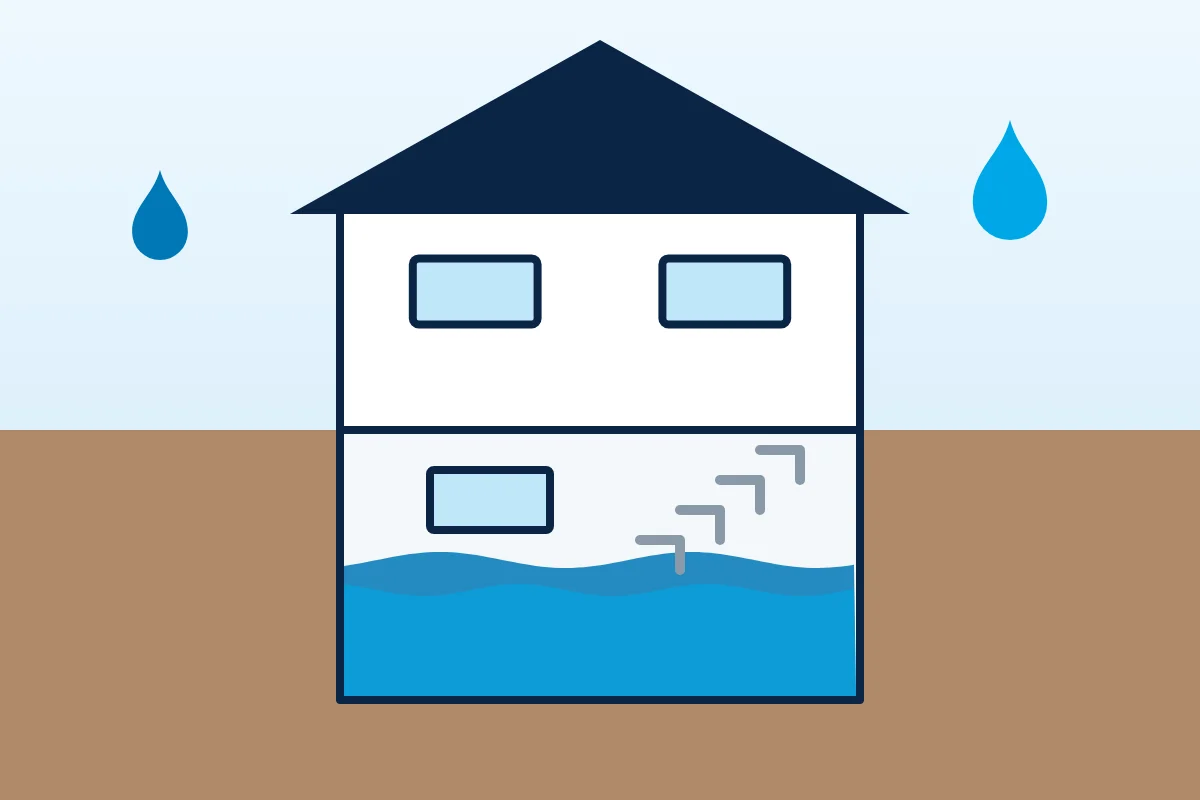
Why Boulder basements flood
- Spring snowmelt and heavy rain: saturated soil pushes groundwater through foundation walls and floor slabs.
- Sump pump failure: pumps often fail during storms, when power goes out or the pump is overwhelmed.
- Frozen and burst pipes: supply lines in unheated basements and exterior walls can split in a hard freeze.
- Window wells and drainage: clogged wells, gutters and downspouts send water toward the foundation.
- Floor drain backups: water coming up through a drain may contain sewage and needs different handling.
First steps when your basement floods
- Do not step into standing water if outlets, cords or the breaker panel are wet. Shut off power from a safe location if you can.
- If the water is from a plumbing leak, close the main water valve.
- If water is coming up through a floor drain, treat it as contaminated and stay out.
- Take photos before anything is moved.
- Request help so a local professional can start the pump-out.
How basement water extraction works
- Pump-out: submersible pumps remove deep standing water.
- Extraction: extractors pull remaining water from carpet, pad and the slab surface.
- Moisture mapping: meters and thermal cameras show where water has moved behind walls and under flooring.
- Drying: air movers and dehumidifiers run until readings return to normal. Concrete and framing dry slowly, so this stage takes days rather than hours.
- Cleaning: affected surfaces are cleaned and treated to limit mold.
Can finished basement materials be saved?
It depends on the water source and how long materials stayed wet. Carpet and drywall soaked by clean water for a short time can often be dried in place. Materials soaked by sewage or left wet for days usually have to be removed. Finding water under your home rather than in it? See crawl space water removal.
Frequently asked questions
Will insurance cover a flooded basement?
It depends on the cause. A sudden plumbing failure is often covered by a homeowners policy. Groundwater and surface flooding usually require flood insurance, and sump pump or sewer backup often needs an added endorsement. Your insurer can confirm what your policy includes.
How long does it take to dry a basement?
Standing water can usually be removed in a few hours. Drying the slab, framing and walls commonly takes several days of continuous dehumidification.
Can a flooded basement damage the foundation?
Repeated or long-standing water can contribute to cracking, settling and deterioration, and it keeps humidity high enough for mold and wood rot. Removing the water and fixing the cause both matter.
Water in your Boulder home or business?
Boulder Water Extraction is a referral service being set up to connect Boulder, CO property owners with independent water damage professionals. We are not taking service requests yet.
Boulder Water Extraction is a referral service, not a contractor. Any work is performed by independent local contractors.
Water emergency in Boulder? See the steps to take right now.
What To Do Now