
Boulder, Colorado
24/7 Emergency Water Removal in Boulder
Emergency water removal in Boulder starts with one phone call. Call (720) 615-8346 any hour, day or night, to reach a local 24 hour water extraction pro. The first hour matters most, so here is what to do right now and what comes next.
Calls answered 24/7
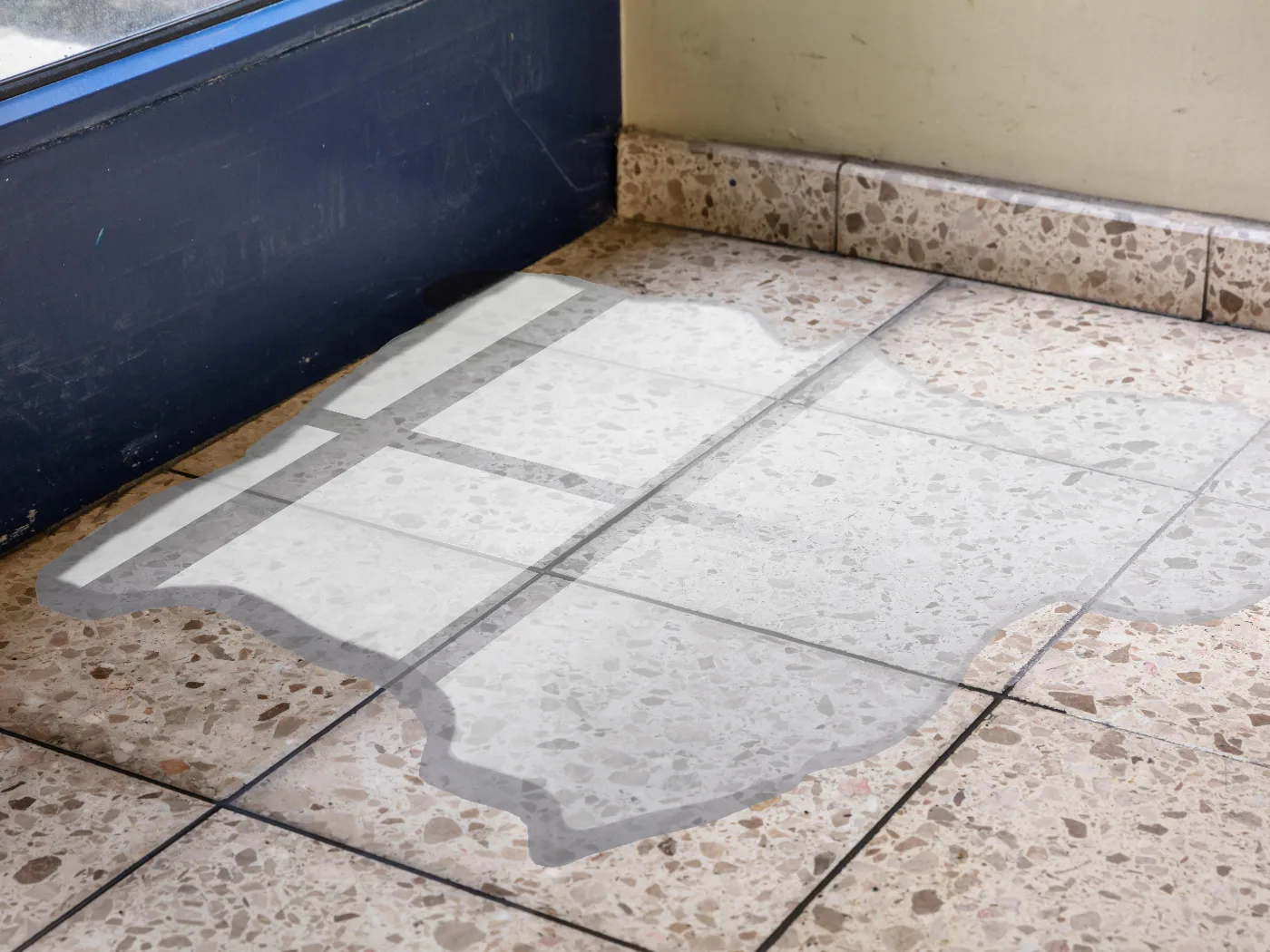
Quick answer: Emergency water removal means getting standing water out fast with pumps and extractors, then drying what is left before mold can start in 24 to 48 hours. In Boulder, call (720) 615-8346 any hour. Shut off the water and take photos while you wait.
Water Everywhere at 2 A.M.? Start Here
Look, we get it. A pipe lets go, or the basement drain backs up, and it never happens at a convenient hour. You are standing in an inch of water in your socks, wondering who answers the phone at night.
Here’s the thing about emergency water removal in Boulder. The first hours decide how big the job gets. Water soaks into drywall, carpet pad and subfloors fast. The EPA advises drying wet materials within 24 to 48 hours to prevent mold. If the water is not urgent, our water removal in Boulder page explains the full process.
That’s why this line never closes. Call +1 (720) 615-8346 any hour, any day. Tell us what happened, and your call goes to a local 24 hour water damage professional who serves Boulder.
If you can do one thing before reading further, shut off the water at the main valve. Then call. The rest of this page will make more sense after that.
What You Can Count On at Any Hour
We’ll be straight with you. Boulder Water Extraction is a phone line, answered 24 hours a day, seven days a week, holidays included. You describe the emergency, and your call is sent to a local professional who handles emergency water extraction in Boulder and nearby towns.
A real person picks up. You explain things once. The professional who takes the job tells you the scope of work and the price before anything starts. Calling costs you nothing.
Coverage includes Boulder, Gunbarrel, Louisville, Lafayette, Superior, Erie, Niwot and Longmont. Unsure if you’re in range? Ask when you call.
We don’t make up awards or review counts here. Facts from outside sources, like the EPA and the City of Boulder, are listed at the bottom so you can check them. Our view is simple. In an emergency, clear beats clever.
Is It a Real Emergency, or Can It Wait Until Morning?
Fair question, and most sites dodge it. Not every wet spot needs a 3 a.m. call. Some do. Here’s how we’d sort it.
Call right now
Call at once for standing water that is spreading, a burst pipe you can’t fully stop, sewage coming up a drain, or water near outlets or the electrical panel. A failed sump pump during heavy rain also counts. So does a flooded basement with water still rising.
Call as soon as you can today
A slow leak under a sink, a soaked rug, or a damp wall can usually wait a few hours. Shut off the supply, soak up what you can and call when it’s light. Just don’t let it sit past a day.
Emergency water cleanup vs a plain repair job
Emergency water cleanup in Boulder is the urgent part: stopping the spread, pulling out water and starting drying. Repairs come later. Our water damage repair guide covers the rebuild.
One more thing. If the water is black, meaning sewage or floodwater, treat it as an emergency every time. It carries bacteria. Keep kids and pets out and don’t try to wade through it.
Do This, Not That, Before Help Arrives
Do shut off the main water valve. Do turn off power to wet areas only if the breaker is dry to reach. Do move small items, rugs and electronics to a dry room. Do take photos and short videos before moving things.
Don’t use a regular household vacuum on water. Don’t turn on ceiling fixtures under a sagging, wet ceiling. Don’t walk on a bulging ceiling. Don’t run a space heater near standing water.
Honestly, the ceiling one scares us most. A bulging ceiling can hold a surprising amount of water, and it can drop all at once. Stay out from under it and call.
Waiting costs you. Here’s a quick tip that helps. Put foil or plastic blocks under the legs of furniture on wet carpet, so the wood doesn’t stain.
How an Emergency Response Usually Goes
It varies, but a typical emergency call goes like this.
First, the call. We ask where the water is, where it came from, when it started and how much there is. Then your call goes to a local professional who tells you how soon they can get there. Ask for an honest window.
On arrival, the crew checks for safety, finds the source and uses a moisture meter to see how far the water went. Then pumps and extractors go to work. After that come air movers and dehumidifiers, which usually run for several days.
See our full process page and our structural drying guide for the drying side.
How it works
What a Professional Crew Does
Inspection
Finding the source and using moisture meters to see how far the water has travelled.
Extraction
Removing standing water with pumps and high-powered extraction equipment.
Drying
Placing air movers and dehumidifiers to dry floors, walls and framing.
Cleaning
Treating affected surfaces to reduce the risk of mold and odor.
Equipment That Makes Emergency Water Removal Work
Emergency jobs need fast, strong gear. This is what a qualified crew typically brings.
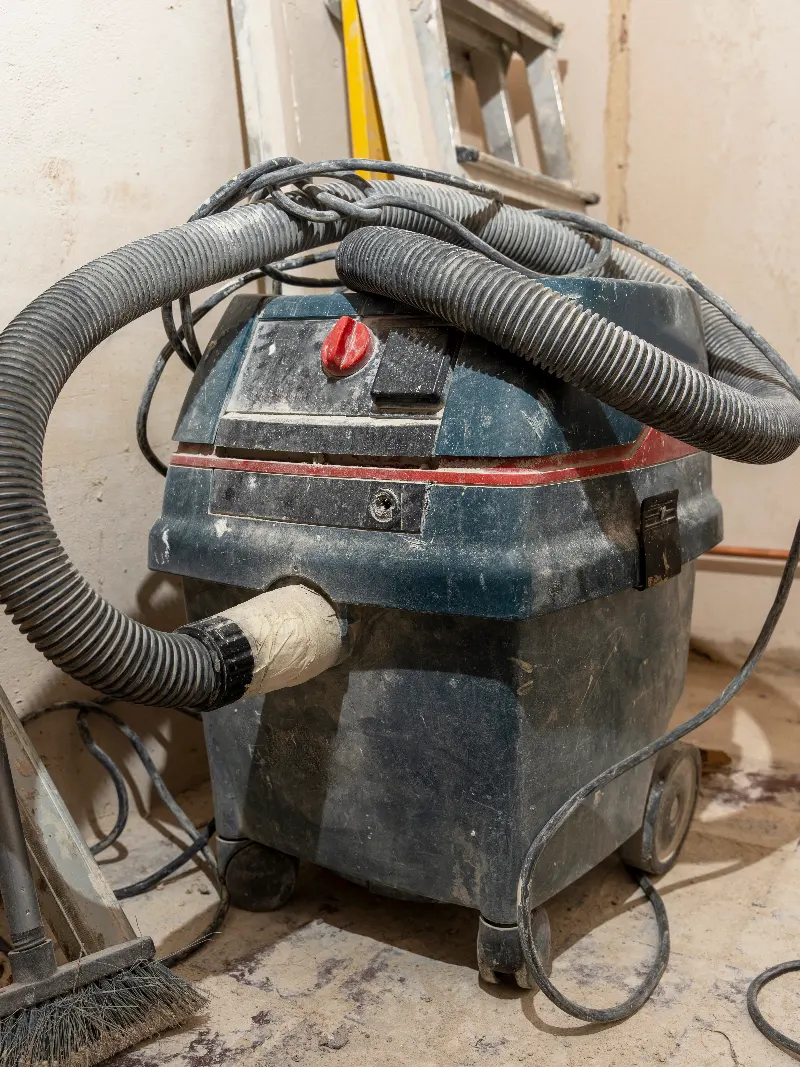
Submersible pumps move deep water out of basements quickly. Truck mounted or portable extractors pull water from carpet and pad. A household wet vac can’t match them.
Moisture meters and thermal cameras show where water traveled behind walls. Air movers and dehumidifiers dry the structure afterward, and more.
What Happens If the Water Sits
Mold can start on damp materials within 24 to 48 hours, according to the EPA. It can irritate eyes, nose and lungs, and people with asthma or allergies often notice first. Our mold after water damage guide has the timeline.
Your home takes a beating too. Drywall swells. Hardwood cups. Insulation stays wet and stops working. A small emergency can become a rebuild.
The money side is simple. Fast removal is usually cheaper than long repairs. Insurers also expect you to take reasonable steps to limit damage, so documenting and acting quickly can protect your claim.
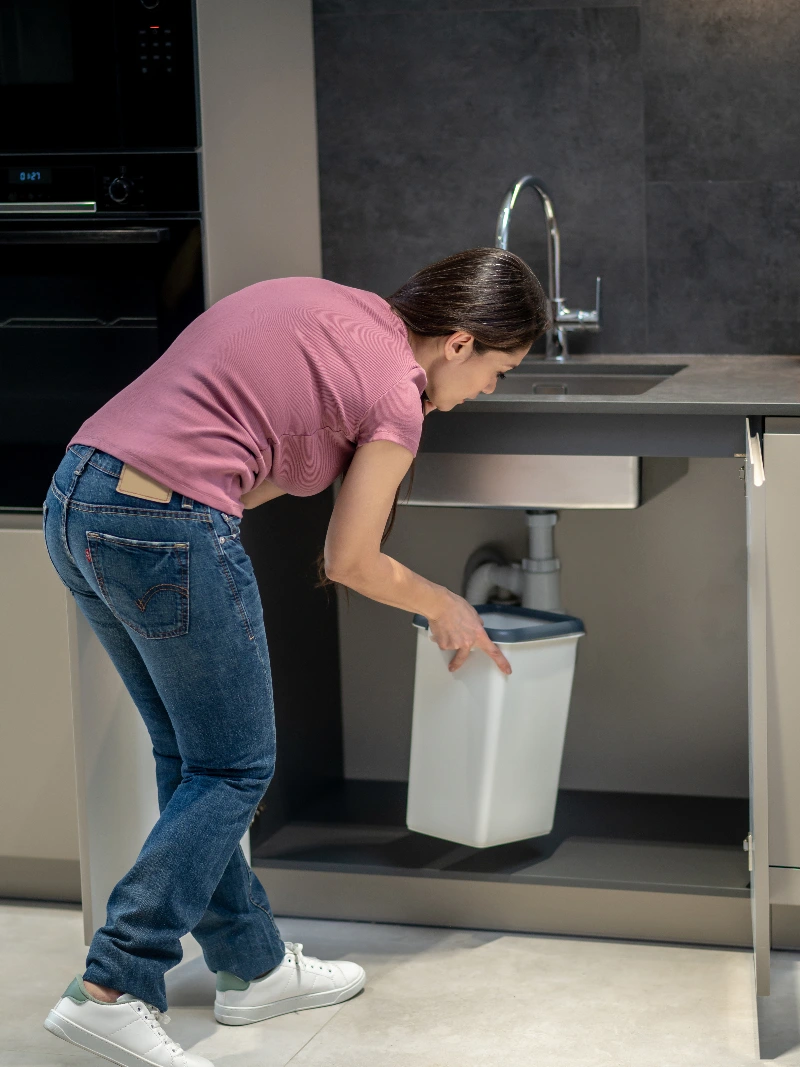
What to look for
Common Water Emergencies in Boulder
See the detailed pages for a flooded basement, a burst pipe, or a sewage backup.
After Hours Service: What to Ask Before You Say Yes
Here’s what most pages skip. Night and weekend calls can cost more with some companies. It’s not always a problem, but you should know the number before work starts.
Ask these questions when you call. What does the scope include? Is there an after hours charge? How soon can a crew be here? Will you take moisture readings? Who sets the final price? A good professional answers plainly.
National cost guides put emergency water extraction at about $300 to $2,000. Those are US figures, not Boulder prices. Our cost guide explains what moves the price.
After big storms, out of area crews sometimes show up knocking on doors. Be careful with anyone who pressures you to sign right away. Take a minute and compare.
Boulder Emergencies by Season
Boulder’s water emergencies follow the calendar. Winter brings hard freezes that split pipes, and the flood arrives when things thaw. Spring snowmelt can push water into basements, especially in homes at the base of the Flatirons and the foothills. Summer storms can overwhelm drains within minutes. Fall freezes can surprise people who haven’t disconnected hoses.
Older homes around University Hill and Mapleton Hill often have aging supply lines. Midcentury homes in Martin Acres and Table Mesa often have basements, where sump pumps do the heavy lifting. If yours fails during a storm, see sump pump failure cleanup and flooded basement help.
Creeks and canyons matter here. The September 2013 floods showed how quickly water can rise in Boulder County. If you’re near a creek, the City of Boulder’s flood management pages are worth a look. And if the street shutoff is the problem, the City’s utilities department is the right contact.
Why Call an Emergency Water Removal Line
You could search for a franchise and call directly. Plenty of Boulder companies do good work, so compare if you have time. In an emergency, though, a phone that always gets answered is the point.
Here’s what you get. A real person at any hour. One explanation, not five. A local professional who knows Boulder’s basements, freezes and storms. And a price explained up front. We can’t promise arrival times, because weather and traffic play a part. Ask for a window on the call.
Emergency Water Removal Near Me: Where We Answer
If you ask your phone for emergency water removal near me in Boulder, the answer is yes. We cover Central Boulder, North Boulder, South Boulder, East Boulder and Gunbarrel. We also answer for Louisville, Lafayette, Superior, Erie, Niwot and Longmont. Give us your address when you call.
Emergency Water Removal FAQ in Boulder
Here are quick answers to the questions callers ask most.
What counts as a water damage emergency?
Any water that keeps spreading or reaches walls, floors, or electrical items is an emergency. Burst pipes, sewage backups, sump pump failures, and storm flooding all qualify. Standing water over a few hours old also counts.
Who do I call for emergency water removal in Boulder?
Call (720) 615-8346 and the line is answered day and night. A local water extraction professional can then be sent to your property.
How fast should I call after water enters my home?
Call right away. Water soaks into drywall, carpet pads, and wood within hours. Mold can start to grow in about 24 to 48 hours, according to the EPA.
How quickly can someone arrive?
Arrival depends on the hour, the weather, and how many calls are ahead of yours. Many crews aim for the same day, and often within a few hours. Ask for a time window when you call.
Does emergency water removal cost more at night?
It can. After hours and weekend work sometimes carries extra fees. Ask for the rate and any minimum charge before you agree. National guides often show $300 to $2,000, but your price depends on the water, the area, and the drying time.
What should I do first if a pipe bursts?
Shut off the main water valve. Then turn off power to wet areas if you can reach the panel safely. Move small items out of the water and call for help.
Is it safe to stay in a flooded home?
Not always. Water near outlets, appliances, or a breaker panel can carry electric shock risk. Sewage or storm water can carry germs. If you are unsure, leave the wet area and call for guidance.
Does insurance cover emergency water removal?
Many home policies cover sudden water damage, such as a burst pipe. Many exclude flood and slow leaks. Read your policy, take photos, and call your insurer. Do not delay water removal while you wait.
Can water damage wait until morning?
Small spills can often wait. Spreading water, sewage, or water near electrical items should not. If you are unsure, call and describe what you see.
Can water damage dry on its own?
Surface water may dry, but moisture stays trapped in walls, subfloors, and padding. Hidden damp spots can lead to mold and rot. Professional drying checks moisture levels to confirm everything is dry.
Guides
Related Guides
Sources
EPA, A Brief Guide to Mold, Moisture and Your Home. EPA, Flood Cleanup to Protect Indoor Air and Your Health. City of Boulder, Flood Management Program.
Contact us