
Boulder, Colorado
Boulder Water Extraction & Damage Restoration, 24/7
Water on the floor does more damage every hour it sits. Call us now and we will get you help from a local restoration professional for water extraction, drying and flood damage restoration in Boulder, Colorado.
Calls answered 24/7
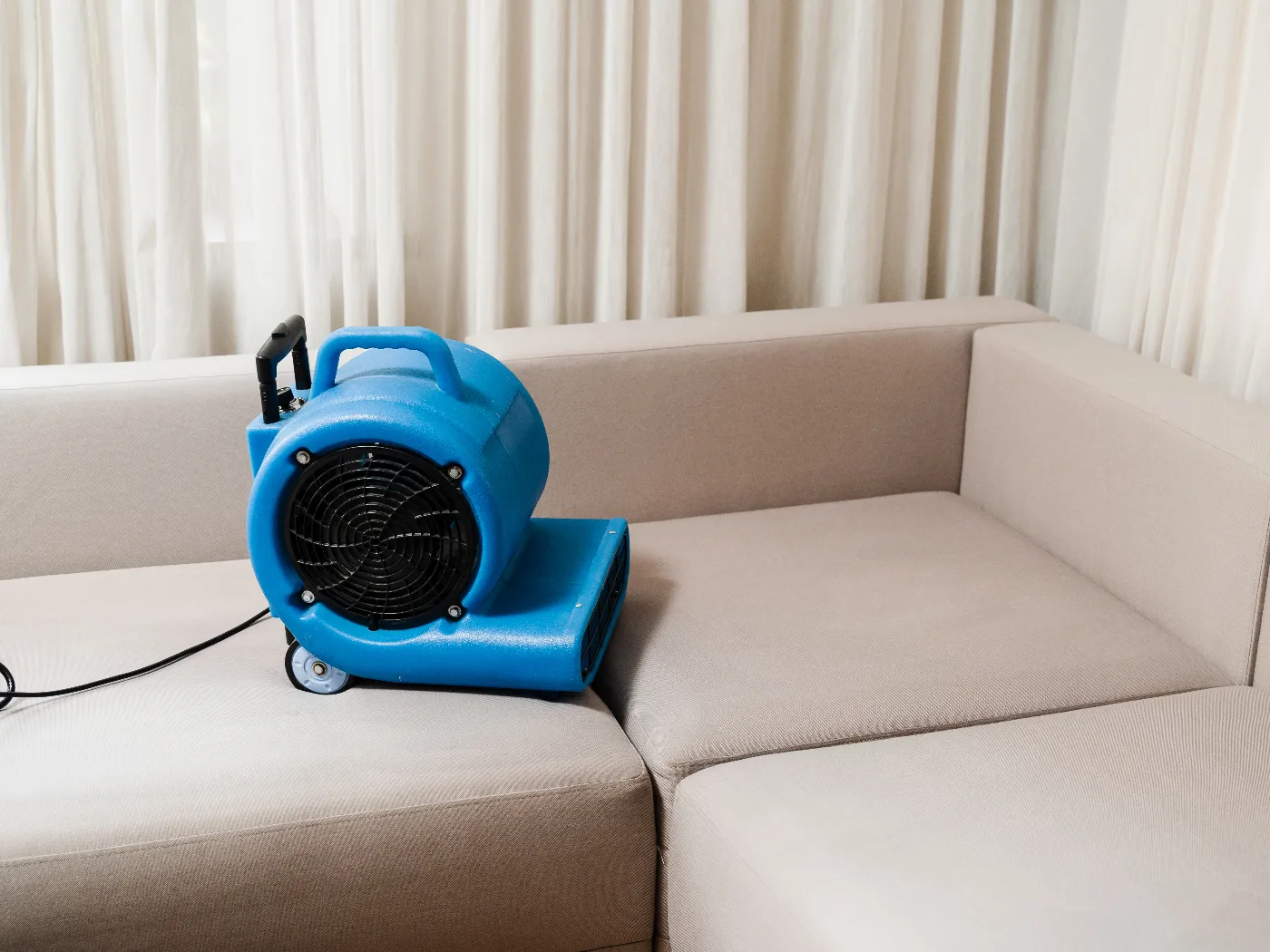
Quick answer: If water is on the floor in your Boulder home, shut off the water if it is safe, stay away from wet outlets and call (720) 615-8346. A local restoration professional removes the water, dries the structure with air movers and dehumidifiers and checks it with a moisture meter. Calls are answered 24/7.
Water in your home right now?
Three Things To Do Before Help Arrives
Stop the Water
Shut off the main valve if a pipe or an appliance is leaking.
Stay Safe
Cut power to the wet area only if the breaker is dry to reach. Keep out of water that may hold sewage, and call 911 if anyone is in danger.
Water on the Floor in Boulder? Start Here
Look, we get it. You step into the basement and your socks are wet before you see the water. Or a ceiling starts dripping at 2 a.m. and your plumber’s voicemail is full. Nobody plans for this.
Here’s the thing about water extraction Boulder CO homeowners need most. Speed beats everything else. Standing water soaks into drywall, carpet pad and subfloor within hours. The EPA advises drying wet materials within 24 to 48 hours to prevent mold, so the first day really counts.
That is why this page exists. We run a phone line for Boulder water emergencies, answered 24/7. You call, you explain what happened, and your call goes to a local restoration professional who takes it from there. No forms. No waiting on an email reply.
Boulder has its own quirks. Older homes near downtown and the University of Colorado often have aging plumbing. Spring snowmelt from the foothills pushes water toward basements. Summer storms can drop a lot of rain fast. The 2013 floods still sit in plenty of memories around here.
Read on if you like. But if there is standing water right now, call +1 (720) 615-8346 first and read later. Honestly, that is what we would do.
How This Boulder Water Extraction Line Works
Let’s be straight with you, because plenty of restoration sites are not.
Boulder Water Extraction is a phone service. Someone answers day and night, every day of the week. You describe the problem, and your call is routed to a local professional who handles water extraction, drying and water damage restoration in Boulder and nearby towns.
The professional you speak with explains the scope of work and the price. You agree before anything starts. Calling us costs you nothing.
Coverage includes Boulder, Gunbarrel, Louisville, Lafayette, Superior, Erie, Niwot and Longmont. Not sure you are in range? Just ask when you call.
What you will not find here is hype. No invented awards. No made up review counts. We believe a phone that gets answered at 3 a.m. is worth more than any slogan.
A few smart questions to ask the professional. Do you hold IICRC certification for water damage work? Are you insured? Do you have the local licenses this job needs? Good companies answer these without hesitating. Ask for proof if you want it.
What we help with
Water Damage in Boulder Homes
Most calls we get start in one of a few ways. Pick the one closest to yours to see what the work involves, or call us and a contractor can take a look. For the full process, typical costs and insurance, see our guide to water damage repair in Boulder.
Flooded Basements
Snowmelt in spring and hard summer rain push water into lower levels and window wells.
Burst Pipes
Pipes in outside walls freeze on cold January nights and leak once they thaw.
Sewage Backups
A heavy storm can overload the drains and send dirty water up through a floor drain.
Water Extraction in Boulder: What It Actually Involves
People use water extraction, water removal and water damage restoration as if they mean the same thing. They do not, and the difference can change your bill.
Extraction comes first
Extraction removes standing water and the water soaked into carpet, pad and floors. Crews use pumps and extractors to pull out the bulk of it. Done early, it limits how far moisture travels into walls and subfloors. Our guide to emergency water removal in Boulder covers the first hours.
Drying is the part people skip
Pulling water out is not the finish line. Moisture hides in drywall, insulation and framing. Air movers and dehumidifiers dry those materials over several days. Honestly, it drives us a little crazy when a company extracts the water and leaves without drying. That is how mold shows up weeks later. Here is how structural drying works.
Restoration finishes the job
Water damage restoration Boulder CO jobs may include cleaning, removing ruined materials and repairs. Not every job needs all of it. A small appliance leak may need only extraction and drying. In the trade, the drying stage is often called water mitigation, and the repair work after it is called water restoration.
Not all water is the same
Pros usually sort water into three types. Clean water comes from a supply line or a broken pipe. Gray water comes from a washer or dishwasher and carries some contamination. Black water means sewage or floodwater, and it is seriously unsafe. Black water often means porous materials must go, so do not touch it.
Can you do it yourself?
For a small clean water spill, a wet vac and a few fans can work. Past a few gallons, or if water got behind a wall, it is more complicated than it sounds. Our guide to water damage repair in Boulder goes deeper.
Water damage services
Water Extraction Services in Boulder, Colorado
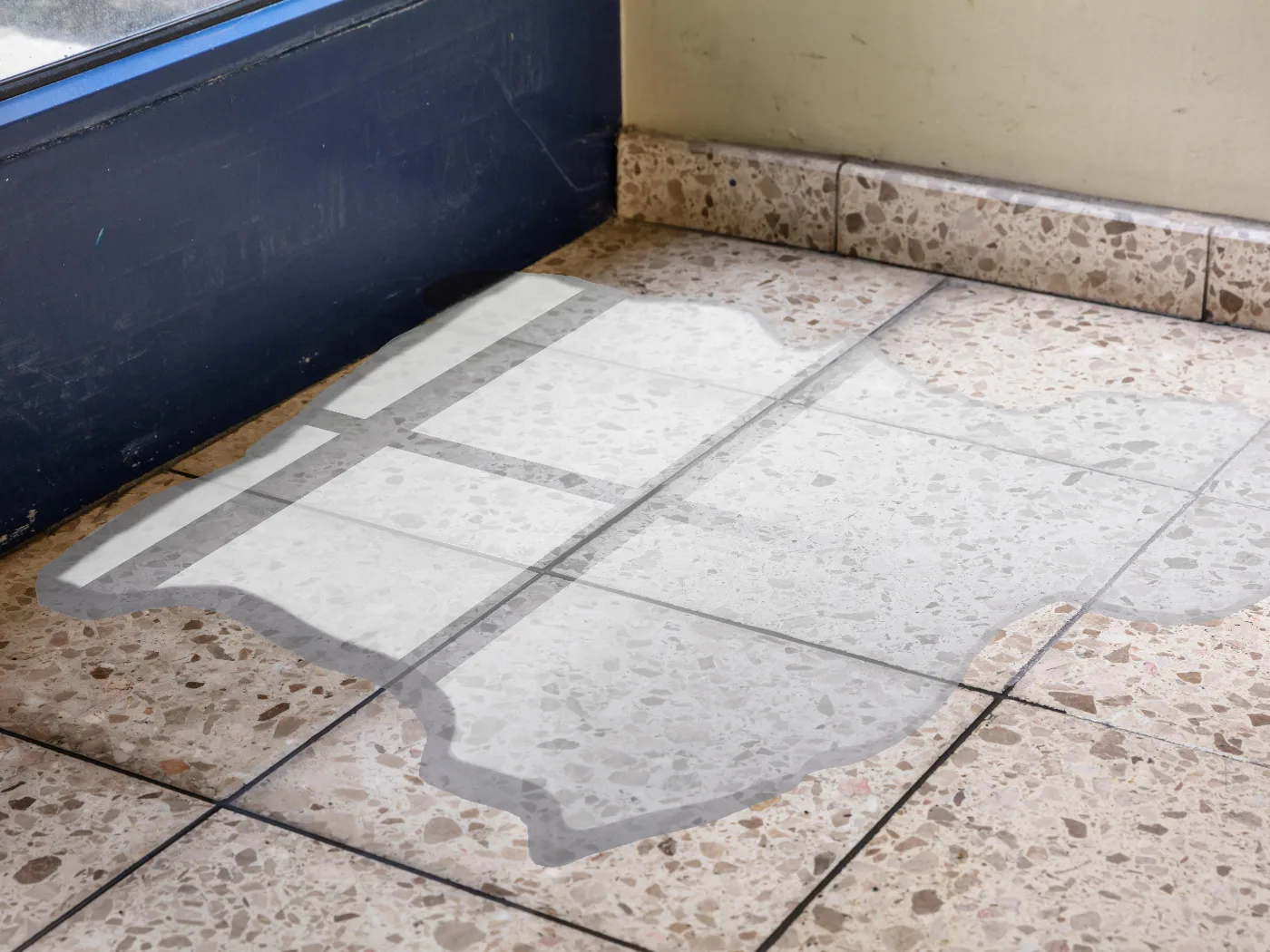
Emergency Water Removal
Water from a failed water heater, an overflowing washer or a storm needs to come out fast. Pumps and extractors remove the standing water, then air movers and dehumidifiers dry the floors and walls before mold can start.
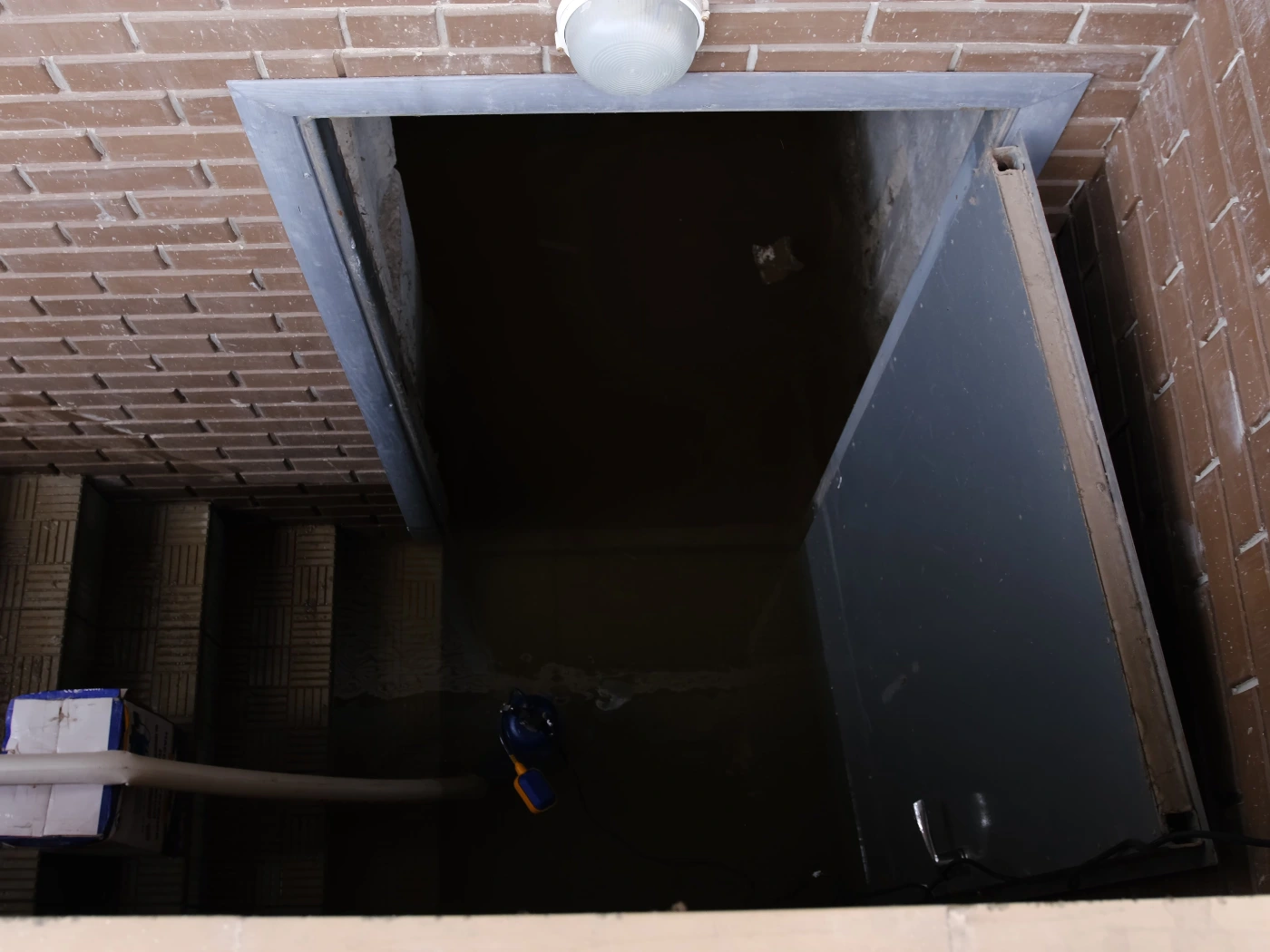
Flooded Basement Extraction
Snowmelt, a high water table or a failed sump pump can leave inches of water downstairs. The basement is pumped out, soaked carpet pad and damaged drywall come out where needed, and the slab and framing are dried and checked with moisture meters.
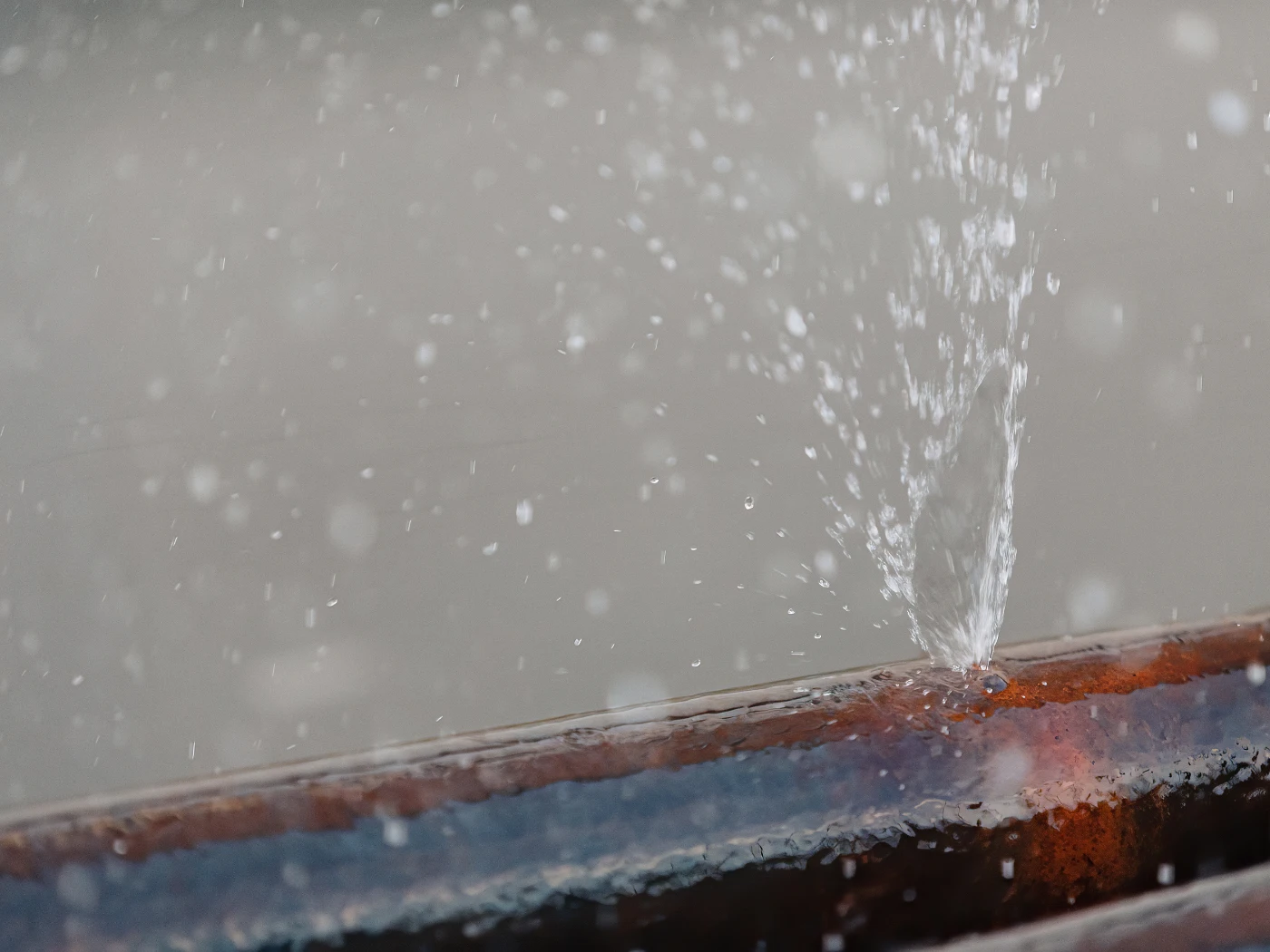
Burst Pipe Water Cleanup
A frozen or split pipe can soak a wall, a ceiling and the floor below within minutes. Once the water is shut off, the wet area is extracted, wall cavities are dried, and readings confirm when everything is back to normal.
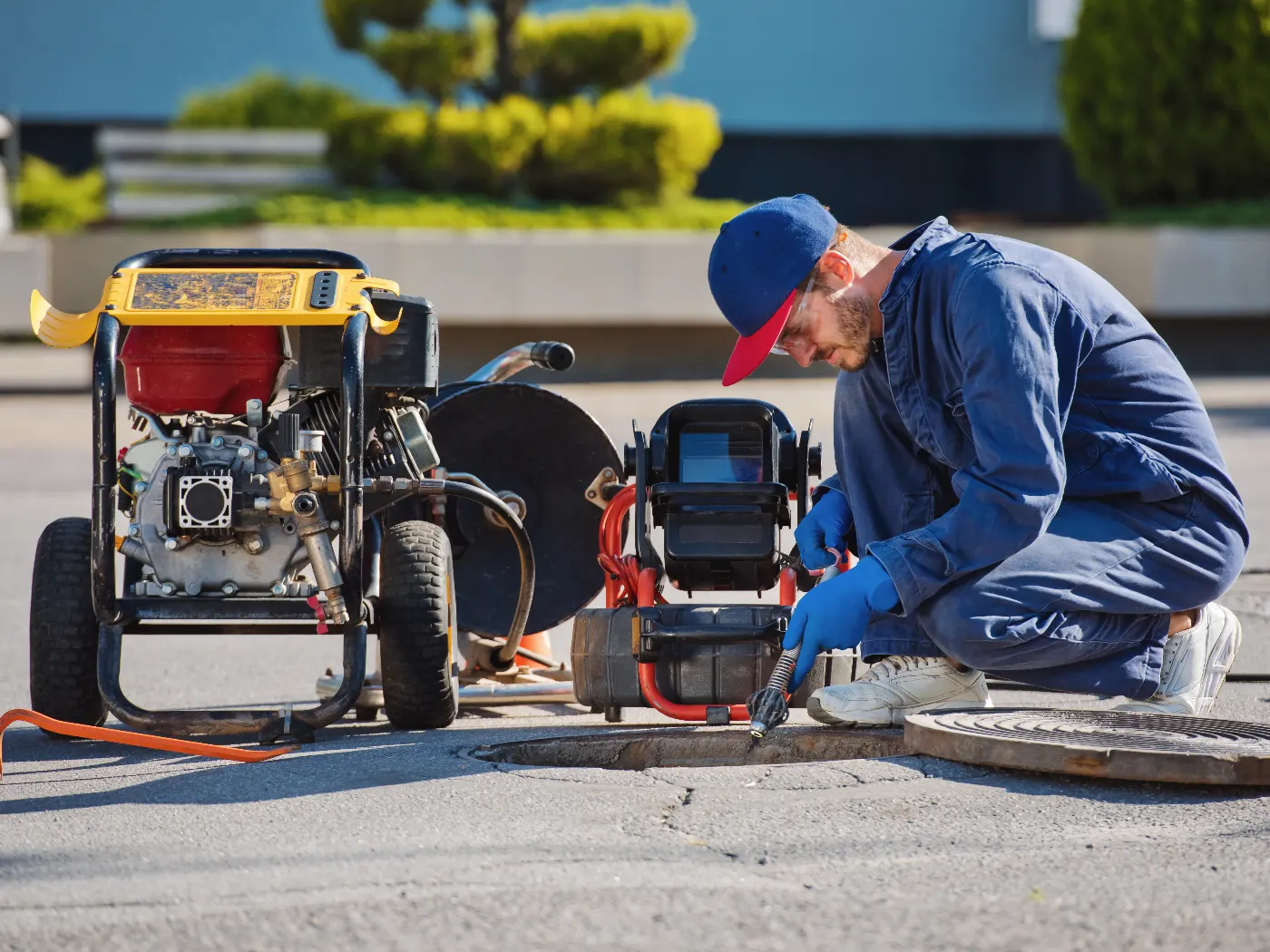
Sewage Backup Cleanup
Water coming up through a floor drain or a basement toilet is contaminated. It is removed with protective gear, porous materials that touched it are bagged and taken out, and hard surfaces are cleaned and disinfected before drying.
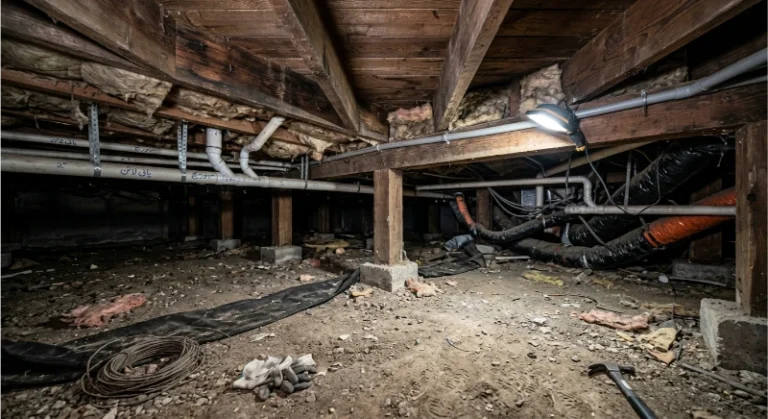
Crawl Space Water Removal
Water trapped under the house rots wood and feeds mold out of sight. The space is pumped out and dried, and you are told what is letting the water in, whether that is drainage, groundwater or a plumbing leak.
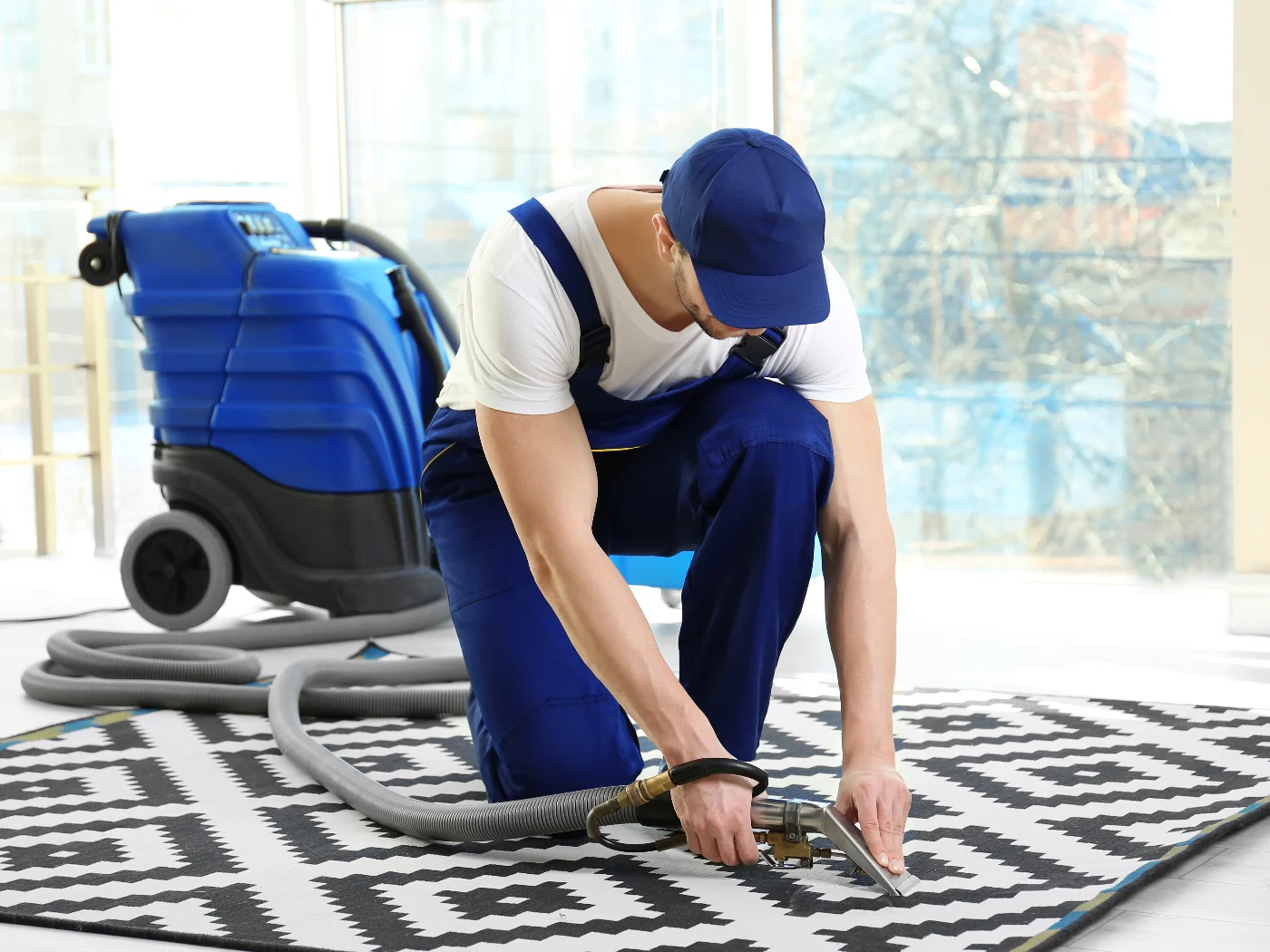
Carpet Water Extraction
Wet carpet holds most of its water in the pad underneath. Deep extraction pulls it out, the pad is dried or replaced, and the carpet can often be saved when the water was clean and caught early.
Scheduling guide
When To Call
Call Today
Wet carpet, a slow leak or a damp wall. Mold can start within 24 to 48 hours, so do not leave it until after the weekend.
Plan It This Week
A musty smell, an old ceiling stain or a crawl space check before winter. Tell us which days suit you when you call so the contractor can plan around them.
What a Good Water Extraction Job Looks Like
We cannot hand you glowing reviews, and we will not make any up. What we can do is show you what separates a solid job from a rough one.
A good professional shows up with a plan. They find the water source first, because extracting water from a leaking pipe is pointless. They check whether the water is clean, gray or black. They take moisture readings with a meter and write them down.
They explain the scope and the price in plain words before starting. They tell you what they can save and what they cannot. Sometimes carpet pad has to go. Sometimes drywall does. A straight answer beats a sales pitch every time.
Red flags are easy to spot. Pressure to sign right away. A price that changes with no explanation. No moisture readings. No drying plan. Anyone who says everything is fine without testing. If something feels off, say so and ask questions.
Your insurer may want records too. Take photos before anything moves, and keep every receipt. Our Colorado insurance claim guide walks through it, and our printable after a leak checklist helps you keep track.
Boulder Neighborhoods and Their Water Problems
Boulder is not one place when it comes to water. Different parts of town tend to have different weak spots.
Around University Hill and the older streets near downtown, many homes are decades old. Original plumbing, old supply lines and aging water heaters are common trouble. A hard cold snap can burst pipes in unheated spaces.
In Martin Acres and Table Mesa, many homes date to the midcentury decades and often have basements. A basement here can take on water when the ground saturates in spring or when a sump pump quits. See our flooded basement page and our sump pump failure cleanup page.
Near Chautauqua and the Flatirons, snowmelt and fast runoff can push water across yards toward foundations. Along the Boulder Creek corridor, low areas deserve extra attention during heavy rain.
In Gunbarrel, newer construction often brings different risks, such as slab leaks and water heater failures. Read more on water extraction in Gunbarrel.
Apartments and rentals near campus and Pearl Street have another problem. A leak upstairs becomes a ceiling problem downstairs. Our ceiling water damage page helps there.
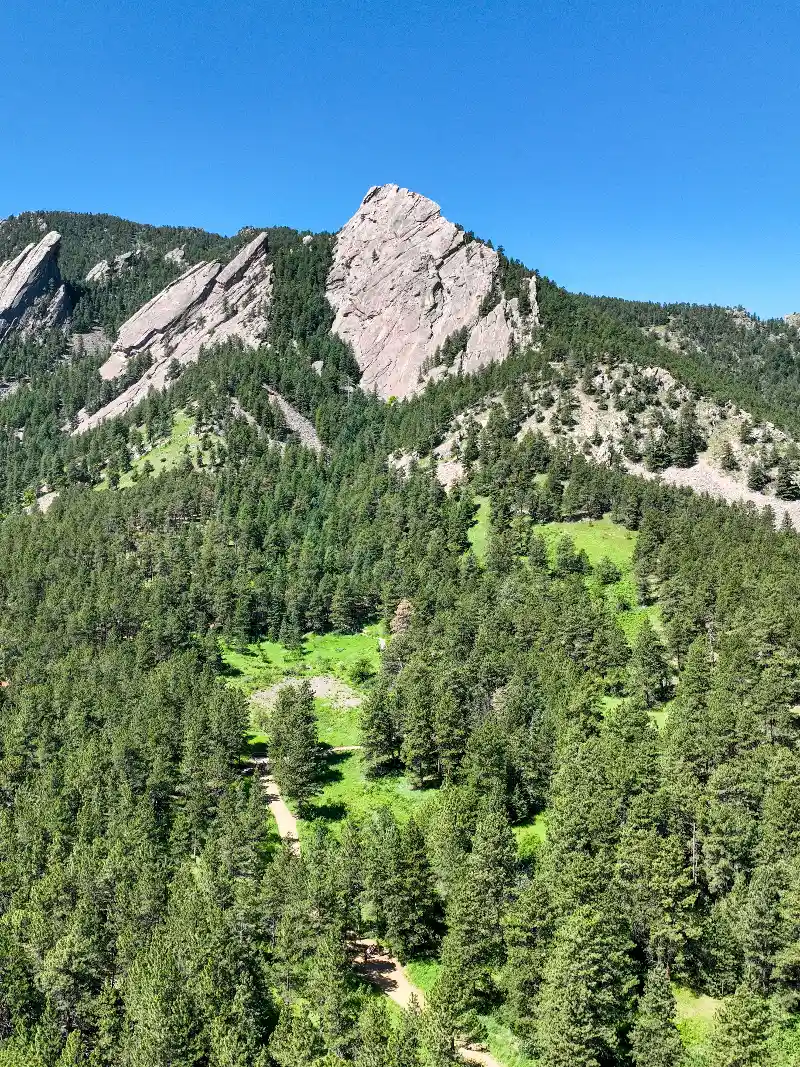
Why water moves fast here
A City Where the Canyons Meet the Plains
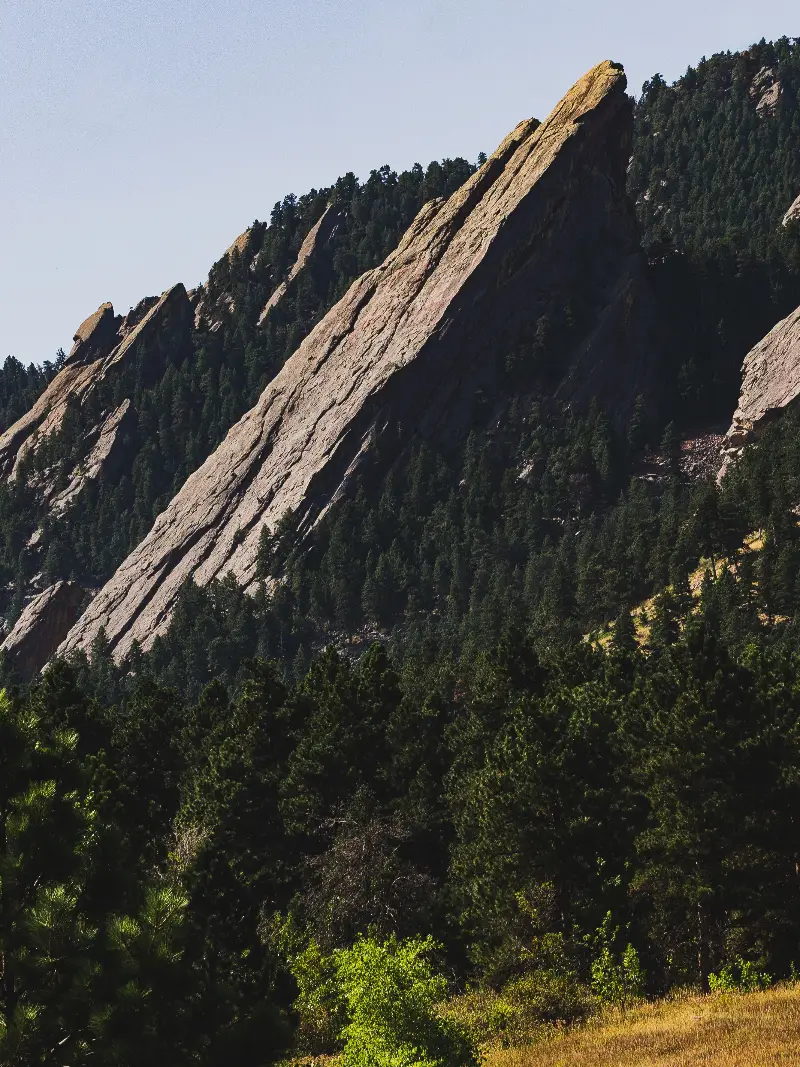
Boulder sits at the foot of the Flatirons, right where Boulder Creek leaves the canyon and runs past downtown and the CU campus. Smaller creeks cross the rest of town, among them Fourmile Canyon Creek, Wonderland Creek, Goose Creek, Bear Canyon Creek and South Boulder Creek. When a storm stalls over the foothills, the water comes down quickly. In September 2013, 9.08 inches of rain fell in one day and creeks spilled into homes across the city. Houses near a creek or at the bottom of a slope feel it first. Winter brings a different problem. Nights drop well below freezing, and a pipe that froze in a garage or crawl space often shows its leak only when the weather warms up.
Seasonal calendar
Water Risks in Boulder, Month by Month
January and February
The coldest weeks of the year. Pipes in outside walls, garages and crawl spaces freeze, and the leak often shows only when they thaw.
March and April
March is the snowiest month here on average. Melting snow soaks the ground around foundations and window wells, and flood siren tests begin in April.
May and June
May is the wettest month. Spring rain on top of mountain snowmelt raises the creeks and pushes groundwater toward basements and crawl spaces.
July and August
Monsoon moisture brings afternoon thunderstorms over the foothills. One short, heavy storm can flood a lower level or back up a floor drain.
September and October
Late storms still happen, and the 2013 flood came in September. The first freeze usually arrives in early October, so disconnect hoses and blow out sprinkler lines.
November and December
Hard freezes return. Keep the heat on when you travel, and open cabinet doors under sinks on outside walls during a cold snap.
How it works
The 6-Step Boulder Water Extraction Process
1. Call and Tell Us What Happened
Describe where the water is, where it came from if you know, and when it started. Photos taken while you wait help the contractor judge the crew and equipment the job needs.
2. We Get You Help
Your call is routed to a local restoration professional who serves Boulder, so you do not have to explain everything twice.
3. Inspection and a Clear Price
The contractor finds the source, checks whether the water is clean or contaminated, and measures how far it has spread. Ask for the scope and the price in writing before anything starts.
4. Water Extraction
Pumps remove deep water, and extractors pull the rest from carpet, pad and hard floors. For most homes this takes hours, not days.
5. Drying and Monitoring
Air movers and dehumidifiers run around the clock, usually for several days. Moisture readings are taken until the materials are back to normal.
6. Cleaning and Final Check
Affected surfaces are cleaned and treated to limit mold and odor. You can ask the contractor for the photos and readings your insurer may want.
Equipment Used in Professional Water Extraction
This is the gear a qualified professional typically brings. It might seem small, but it makes a huge difference.
Extractors and pumps. Submersible pumps move deep standing water. Truck mounted or portable extractors pull water from carpet, pad and hard floors. A household wet vac cannot keep up with that.
Air movers. These fast fans push air across wet surfaces. Where they go matters more than how many there are.
Dehumidifiers. Low grain refrigerant units pull moisture out of the air so wet materials can release what they hold. Without them, fans just move humid air around.
Moisture meters and thermal cameras. A meter shows how wet drywall or wood really is. A thermal camera can help spot hidden wet areas behind surfaces. Good crews keep checking until readings return to normal.
Other tools. Depending on the job, you may also see air scrubbers, antimicrobial treatments and containment barriers, and more.
What Happens If You Wait
Mold can begin growing on damp materials within 24 to 48 hours, according to the EPA. Mold can irritate eyes, nose and lungs, and people with asthma or allergies often feel it first. Our mold after water damage guide explains the timeline.
Your structure suffers too. Drywall swells and crumbles. Hardwood can cup and buckle, which is why hardwood floor water damage needs fast action. Wet insulation stops doing its job. Subfloors can weaken.
Then there is the money side. Waiting can turn a small drying job into a rebuild. Insurers can also push back when damage grows because a problem was left alone. Check your own policy for details.
Electrical safety matters as well. Water and outlets do not mix. If water reached outlets or a panel, stay out and call an electrician.
Why Call a Boulder Water Extraction Line
Fair question. Why not just search for a franchise and call them? You can. Plenty of Boulder companies do good work, and you should feel free to compare.
Here is what this line offers. A real person answers day and night. You describe things once. There is no form to fill and no email to wait on. Your call goes to a local professional who works with Boulder’s older homes, basements and winter freezes.
A common worry is cost. Calling is free, and the professional explains the price before work starts. If you do not like the number, you can say no and keep looking.
We cannot promise an exact arrival time. Traffic on US 36, a snowstorm or a busy week all play a part. Ask for an honest window on the call.
Water Extraction Near Me: Where We Answer Calls
If you ask your phone for water extraction near me in Boulder, the answer is yes. This line covers Boulder and the surrounding towns.
In Boulder we cover Central Boulder, North Boulder, South Boulder, East Boulder and Gunbarrel. Beyond the city we also answer for Louisville, Lafayette, Superior, Erie, Niwot, Longmont, Lyons, Mead, Firestone, Frederick and Dacono.
Each place has its own water habits. Foothill areas tend to see more runoff. Plains towns can see drainage trouble after big storms. Tell us your address on the call and we will take it from there.
Service area
Locations We Serve
in Boulder
Whether you need water extraction or full water restoration in Boulder, CO, a call works the same way. Homeowners, renters and business owners can all call us. We take calls from Central Boulder around Pearl Street and University Hill, North Boulder near Wonderland Lake, South Boulder below the NCAR Mesa Lab, East Boulder around Frasier Meadows, and Gunbarrel by the Twin Lakes. Each area has its own trouble spots, from old stone basements on Mapleton Hill to window wells in Martin Acres, so the area pages explain what to watch for near you.
Calls answered
24/7
Area we cover
Boulder, CO
Short-term rentals
STR and Airbnb Hosts: Protect Your Five-Star Rating
Smells Guests Notice
A musty smell or a damp carpet is the kind of thing that ends up in a review. Hidden moisture can be found with meters and dried before it turns into mold.
Records for Your Claim
Photos, moisture readings and a clear scope of work help when you file with your insurer or your booking platform.
Quick Tips and Budget Friendly Hacks
Know where your main water shutoff is before you need it. Test it once a year.
Before spring, check your sump pump. Pour a bucket of water into the pit and watch it run.
On very cold nights, let a faucet on an outside wall drip a little. Open the cabinet doors under sinks on exterior walls. Our frozen pipes guide covers the rest.
Disconnect garden hoses in fall. A frozen hose bib can crack and leak inside the wall.
Right after a leak, put foil or plastic under furniture legs on wet carpet, lift curtains off the floor and take photos.
Check washing machine hoses. Braided stainless hoses tend to last longer than old rubber ones. A basic water alarm near the water heater costs little next to a flooded floor. If a hose or heater has already leaked, see appliance leak water damage.
What Helps Water Damage Jobs Go Smoothly
These are patterns, not promises. They come up again and again in water damage work.
People who act fast usually fix less. They stop the water, take photos and call before the carpet is ruined.
People who ask questions usually feel better about the result. Ask what the plan is, how long drying takes and what could change the price.
People who keep records usually have an easier insurance claim. Photos, receipts and notes help a lot.
And people who let the drying equipment run its full course tend to avoid callbacks for smells or mold.
Water Extraction Questions Boulder Homeowners Ask
Short answers first. We hedge where we have to, because every job is different.
How much does water extraction cost in Boulder?
It depends on the size of the job. Small, contained jobs can run from a few hundred dollars into the low thousands. A flooded basement often costs more. Large losses can go well past that. The professional should explain the price before work starts. See our cost guide.
How long does it take to dry out water damage?
Usually three to five days for drying, though it can vary. Thick materials and big losses take longer. Crews typically check moisture readings until things are back to normal.
Who do I call first for water damage?
Stop the water if you safely can. Then call a restoration professional, since time matters. Contact your insurer soon after. You can call +1 (720) 615-8346 any hour.
Is it safe to stay in a flooded home?
Not always. Water near outlets, sewage or a lot of standing water can be unsafe. When in doubt, stay out of the wet area and call 911 if anyone is in danger.
Does homeowners insurance cover water extraction?
Often it covers sudden events like a burst pipe. Flood from outside usually needs a separate flood policy. Every policy differs, so ask your insurer. Our claim guide helps you prepare.
Can I use a wet vac myself?
For a tiny clean water spill, yes. For anything bigger, a household wet vac usually cannot pull enough water, and it will not dry the walls and floor underneath.
What is the difference between water extraction and water removal?
The two terms overlap. Extraction usually means pulling out standing and soaked in water. Water removal Boulder CO searches often mean the whole job, including drying. Ask what the plan covers.
How fast can someone get to my Boulder home?
It varies with weather, traffic and demand. Nobody can honestly promise an exact time. Ask for a realistic window on the call.
Will mold grow after a leak?
It can, and sometimes fast. The EPA says to dry wet materials within 24 to 48 hours. Read our mold guide for the details.
What if the water came from a sewage backup?
Do not touch it. Keep kids and pets away and call right away. Sewage water carries bacteria and usually needs professional handling.
Ready to Get Water Out of Your Boulder Home?
If water is in your home now, call. We answer 24/7, and we will get you to a local professional for water extraction, drying and water damage restoration in Boulder, CO.
Have a few things handy. Where the water is, where it came from if you know, when it started, your address and the best number to reach you. Take photos while you wait.
Call +1 (720) 615-8346 now. A real person will help you work out what comes next. Want the full picture first? See how the process works or what water extraction costs in Boulder.
Contact us