
Boulder, Colorado
Sewage Backup Cleanup in Boulder, Colorado
Sewage backup cleanup in Boulder starts with one phone call. Call (720) 615-8346 any hour for safe sewage removal from a local pro. Stay out of the water, and read on for what to do first.
Calls answered 24/7
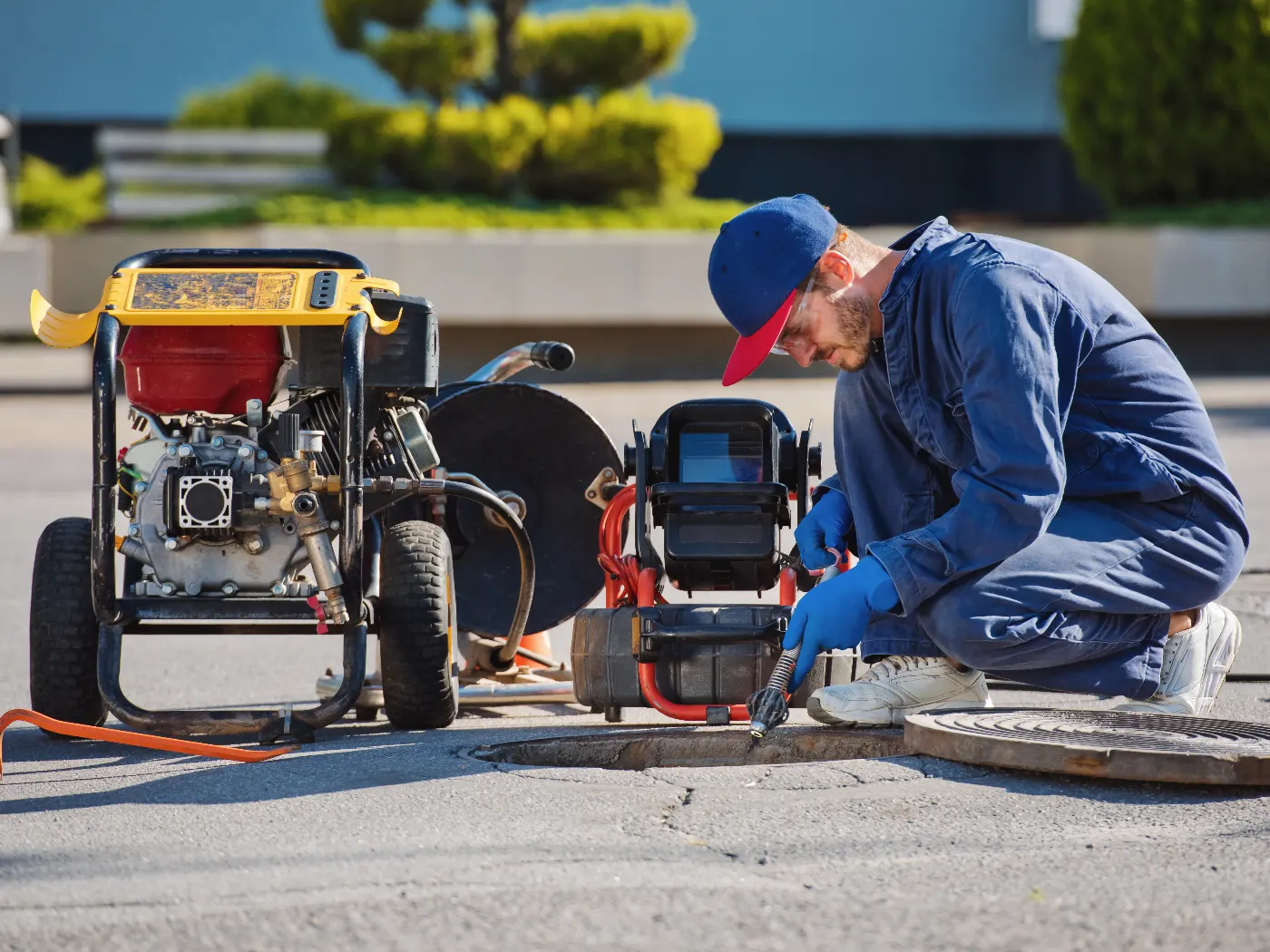
Quick answer: Sewage backup water is contaminated, so stay out of it and keep kids and pets away. Stop using sinks, toilets and the washer. Pros remove the water with protective gear, take out porous materials it touched, then clean, disinfect and dry the area. Call (720) 615-8346 any hour in Boulder.
Sewage in Your Basement? Start Here
Look, this is the call nobody wants to make. You smell something awful. A floor drain gurgles. Then dirty water creeps across the basement floor. It is gross, and it is scary.
Here is the thing about sewage backup cleanup in Boulder. It is not a regular water job. The water can carry bacteria, viruses, and parasites. So the first rule is simple. Stay out of it.
Now, you might be wondering whether this is an emergency. In most cases, yes. Sewage spreads fast and soaks into anything porous. Call (720) 615-8346. The line is answered day and night, and a local cleanup professional can be sent to your home.
While you wait, keep kids, pets, and anyone with a weak immune system away. Do not use sinks, showers, or toilets. Every flush can push more water into the house.
What You Can Count On When You Call
Calls to this number are answered 24 hours a day, 7 days a week. Sewage does not wait for business hours, and neither does this line.
We cover Boulder and nearby towns, including Gunbarrel, Louisville, Lafayette, Superior, Erie, Niwot, and Longmont. Arrival time varies by the hour, the weather, and how many calls are ahead of yours.
We will not throw around made up review counts or fake years in business. That drives us a little crazy in this industry. If a company claims hundreds of jobs, ask how they know.
Before work starts, ask three plain questions. Who carries the insurance? How is the price set? How will cleaning be checked? As far as we know, Colorado does not license water restoration as its own trade. So look for insurance and training such as IICRC certification.
A good pro explains the plan in simple words. If you leave a call confused, that is a warning sign.
Sewage Backup Cleanup Explained, Neighbor to Neighbor
Sewage cleanup means removing contaminated water and solids, taking out materials that cannot be cleaned, and disinfecting what stays. Then the area is dried. It is more careful than a normal flood job, and it should be.
Most customers ask us one thing. What can be saved? Hard surfaces such as concrete, tile, and framing can usually be cleaned and disinfected. Carpet, pad, and wet drywall usually cannot.
Signs of a sewer backup
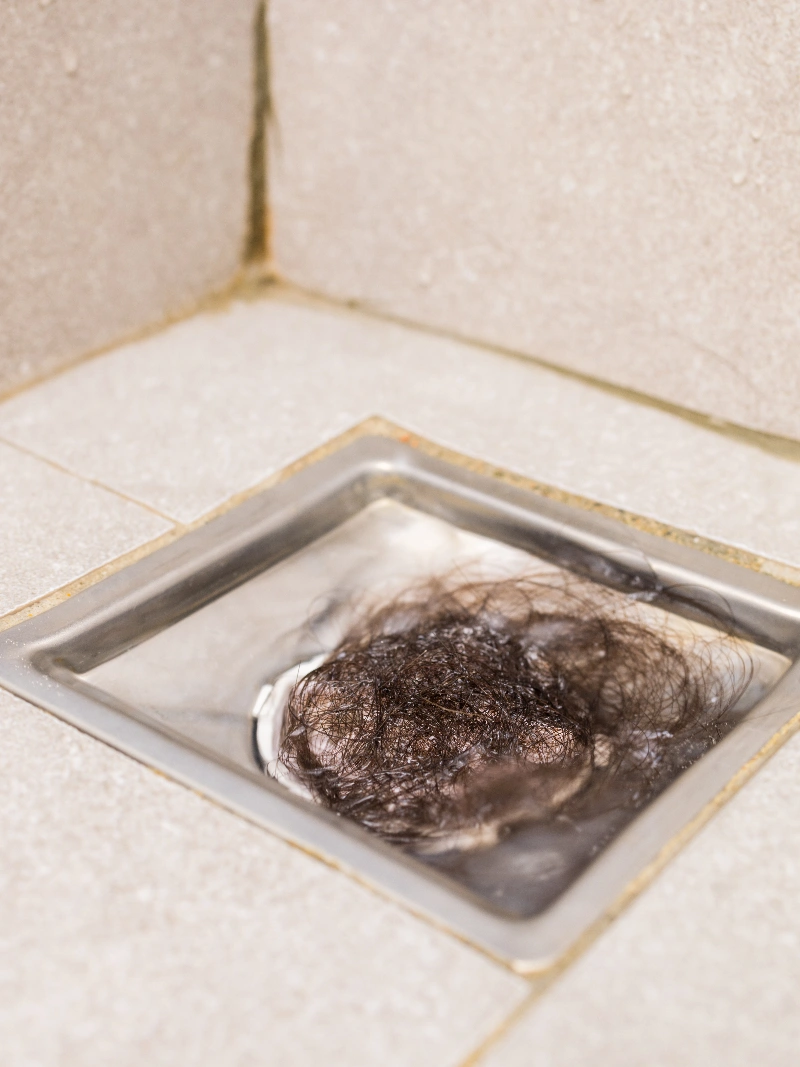
Watch for slow drains in several places at once. Gurgling toilets, a sewer smell, and water coming up from a floor drain are also warning signs. If your basement drain is backing up when you run the washing machine, that is a classic clue.
Is a sewage backup an emergency?
Usually, yes. Sewage can spread germs and soak into floors and walls within hours. Even a small backup deserves a quick call. If you are unsure, describe what you see and ask.
Who do I call for a sewage backup?
You often need two calls. A plumber or drain company clears the blockage. A cleanup crew handles the contaminated area. Call both as soon as you can.
Some jobs are more complicated than they sound. A backup in a finished basement can reach carpet, drywall, cabinets, and stored boxes. We cannot fix everything overnight, and honest crews say so.
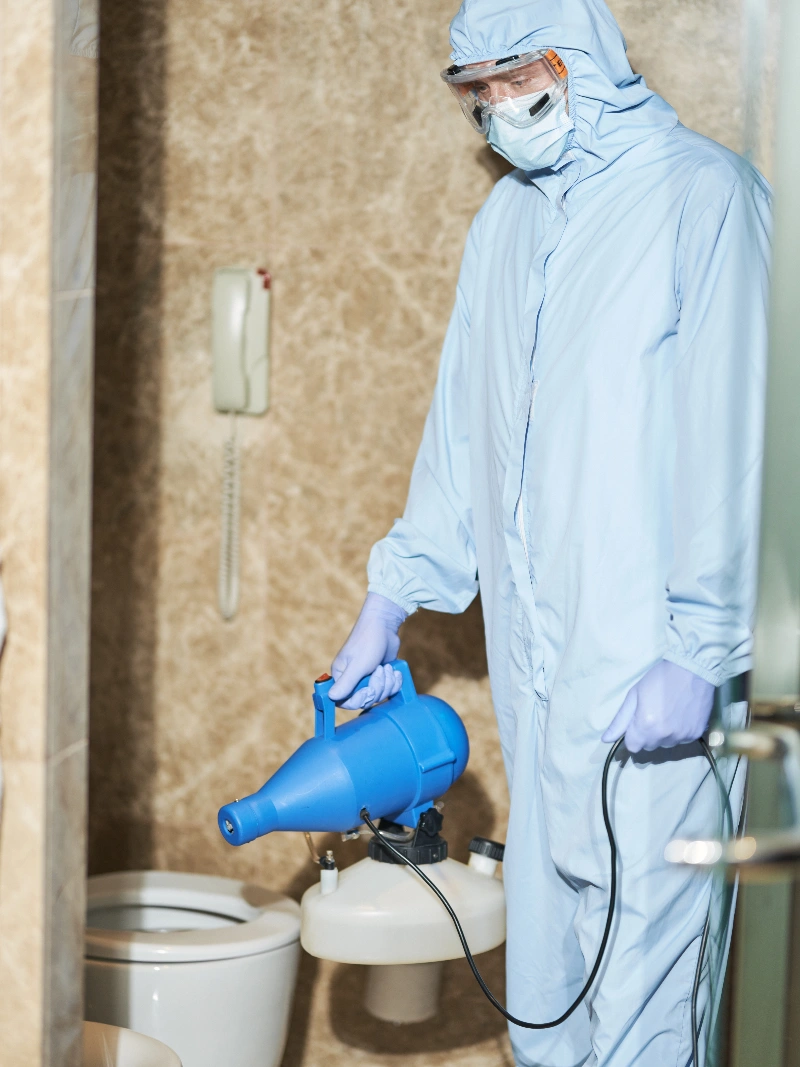
First steps
Safety Steps To Take Immediately
Mistakes to Avoid After a Sewage Backup
Here are the mistakes we see most. People mop it up with a regular mop and bucket. They use a household vacuum, which can spread germs through the air. They walk through the water in street shoes and track it upstairs.
Another one is running the furnace. That can push contaminated air through the house. Turn it off until the area is cleaned.
Also, do not try to save soaked carpet. It feels wasteful to throw it out. But sewage soaks deep into pad and cannot be reliably cleaned.
Take photos before anything is moved. Your insurer will want them. Read our insurance claim guide for what to keep.
Why it matters
Why Sewage Needs Professional Cleanup
The restoration industry groups water into three categories. Category 1 is clean water from a supply line. Category 2 is used water, such as a washing machine overflow. Category 3, often called black water, includes sewage and is treated as grossly contaminated. Porous materials that soak up Category 3 water cannot be reliably cleaned. For an overflow from a single toilet, tub or sink, see toilet overflow cleanup.
Mold can start within
24 to 48 hours
Calls answered
24/7
How a Sewage Backup Cleanup Usually Goes
Usually the crew starts with safety and a look around. They check how far the water has spread and what it touched. It varies, but most jobs follow this order.
First comes containment. The area is isolated so contamination does not spread through the house. Next, crews in protective gear remove contaminated water and solids.
Then they remove porous materials such as carpet, pad, wet drywall, and insulation. These are bagged and disposed of. Hard surfaces are scrubbed and disinfected.
After that, air movers and dehumidifiers dry the space. Air scrubbers help with odor and airborne particles. The final step is checking that surfaces are clean and readings are normal.
Sometimes the plan changes mid job. A wall is wetter than it looked, or the backup reached a second room. That is normal. See our process page and structural drying page for more.
How it works
How Sewage Backup Cleanup Works
Containment
The affected area is isolated so contamination does not spread through the house.
Extraction
Crews in protective equipment remove contaminated water and solids.
Removal of Porous Materials
Carpet, pad, wet drywall and insulation that contacted sewage are bagged and disposed of.
Cleaning and Disinfection
Hard surfaces such as concrete, tile and framing are scrubbed and disinfected.
Drying and Odor Control
The structure is dried and air is filtered before rebuilding.
Equipment and Protective Gear for Sewage Cleanup
Equipment varies by company, so ask what will be brought to your home. Here is what a careful sewage job typically uses.
Crews wear protective gear such as gloves, boots, eye protection, and respirators. That protects them and keeps contamination from spreading to the rest of your house.
Pumps and extractors remove contaminated water. Antimicrobial cleaners treat hard surfaces. HEPA air scrubbers filter the air. Air movers and dehumidifiers dry the space. Moisture meters confirm when it is dry.
None of this is magic. It only works if the crew follows safe steps from start to finish. Cutting corners with sewage is how germs and smells come back.
What Happens If Sewage Sits
The health risk is real. Sewage can carry bacteria, viruses, and parasites. Children, older adults, and anyone with a weak immune system should stay away from the area.
Mold can also start within 24 to 48 hours, according to the EPA. See mold after water damage for details. Odors can soak into drywall, wood, and concrete if the cleanup is delayed.
Money matters as well. Acting early usually keeps repairs smaller. National cost guides often show a few thousand dollars for a sewage cleanup, and more when the spread is large. Your price depends on the area, the water, and drying time. Our cost guide explains what changes the bill.
What to look for
Common Causes of Sewage Backups
A plumber or drain company clears the blockage. Cleanup of the contaminated area is its own job.
How to Judge a Sewage Cleanup Company
People often ask how to tell a good company from a bad one. Look for steady, honest answers instead of hype.
Ask for proof of insurance. Ask what protective gear the crew uses. Ask how contaminated materials are disposed of. Ask whether the price is an estimate or firm.
Be careful with anyone who wants to just spray and leave. Be careful with anyone who wants full payment first. And be careful with anyone who will not put the scope in writing.
A good crew documents the area, the removed materials, and the final cleaning steps. That record helps with an insurance claim. Many home policies exclude sewer backup unless you added coverage, so check yours.
Sewer Backups in Boulder: What Local Homeowners Should Know
Boulder has many older homes, and older sewer lines are more likely to have root problems. Tree roots grow into joints and cracks. Aging clay or cast iron pipes can also crack or collapse.
Heavy rain can strain sewer systems. After the September 2013 flood, many Boulder County homes saw sewer and groundwater problems. Spring snowmelt and summer storms can add to the load.
Basements are the usual victims, because they sit below the sewer line. A floor drain or basement bathroom is often where the water shows up first.
Here is a local tip. In many cities, the homeowner owns the private line from the house to the main. The city handles the main in the street. If you are not sure which side the blockage is on, call City of Boulder Utilities and ask. A plumber with a camera can also check.
Some homes have a backwater valve that helps block sewer backups. Ask a plumber whether one makes sense for your house. And if you plan major rebuilding, check with the City of Boulder Planning and Development Services about permits.
If water came from a failed pump, see sump pump failure cleanup. For a small overflow from one fixture, see toilet overflow cleanup.
Why Call for Sewage Backup Cleanup Here
You get one phone number and a real answer, day or night. You are not filling out forms and waiting for a callback.
The help is local, so travel time stays short across Boulder and nearby towns. The focus is on safe removal first, then cleaning and drying until the area is ready.
You also get straight talk. If something can be cleaned, you hear that. If it has to go, you hear why. Real benefits are a faster response, a clear plan, and fewer surprises.
Need help right now? Call (720) 615-8346. For after hours calls, see emergency water removal.
Areas We Serve for Sewage Backup Cleanup
Calls cover Boulder and nearby communities. Pick your area to learn more.
Central Boulder, North Boulder, South Boulder, East Boulder, and Gunbarrel.
Louisville, Lafayette, Superior, Erie, Niwot, and Longmont.
Travel limits depend on the hour and the weather. Closer areas are usually reached first. Ask for a time window when you call.
Sewage Backup Cleanup FAQ in Boulder
Here are quick answers to the questions callers ask most.
What should I do first after a sewage backup?
Keep people and pets out of the area. Stop using drains. Do not touch the water. Then call (720) 615-8346.
Is a sewage backup an emergency?
Usually, yes. Sewage can carry germs and spreads fast. Even a small backup deserves a quick call.
Who do I call for a sewage backup in Boulder?
Call a plumber or drain company to clear the blockage. Call (720) 615-8346 for the cleanup. The line is answered day and night.
How do I know if my sewer is backed up?
Look for slow drains in several places, gurgling toilets, and a sewer smell. Water from a floor drain is a clear sign.
Can I clean up a sewage backup myself?
It is not a good idea. Sewage can carry bacteria and viruses. Porous materials cannot be reliably cleaned. A trained crew has the right gear.
Can carpet be saved after a sewage backup?
No, not reliably. Carpet and pad that soaked up sewage should be removed. Hard surfaces can usually be cleaned and disinfected.
Does homeowners insurance cover sewage backup?
Many policies exclude it unless you added sewer backup coverage. Read your policy and call your insurer early.
How much does sewage cleanup cost?
It depends on the area, how far the water spread, and what must be removed. National guides often show a few thousand dollars. Ask for a written scope.
Why is my basement drain backing up?
Common causes include tree roots, grease, wipes, and aging pipes. Heavy rain can also overload the system. A plumber can find the cause.
Is it safe to stay in the house?
It depends on how far the backup spread. Stay out of affected rooms. If you have kids, pets, or health concerns, ask about staying elsewhere.
Guides
Related Guides
Sources
EPA, A Brief Guide to Mold, Moisture and Your Home. CDC, Cleaning Up After a Flood. City of Boulder Utilities. IICRC S500 water damage restoration standard.
Contact us