
Boulder, Colorado
Flooded Basement Cleanup and Water Removal in Boulder
Flooded basement cleanup in Boulder starts with one phone call. Call (720) 615-8346 any hour for basement water removal from a local pro. Water spreads fast, so here is what to do first and how the work goes.
Calls answered 24/7
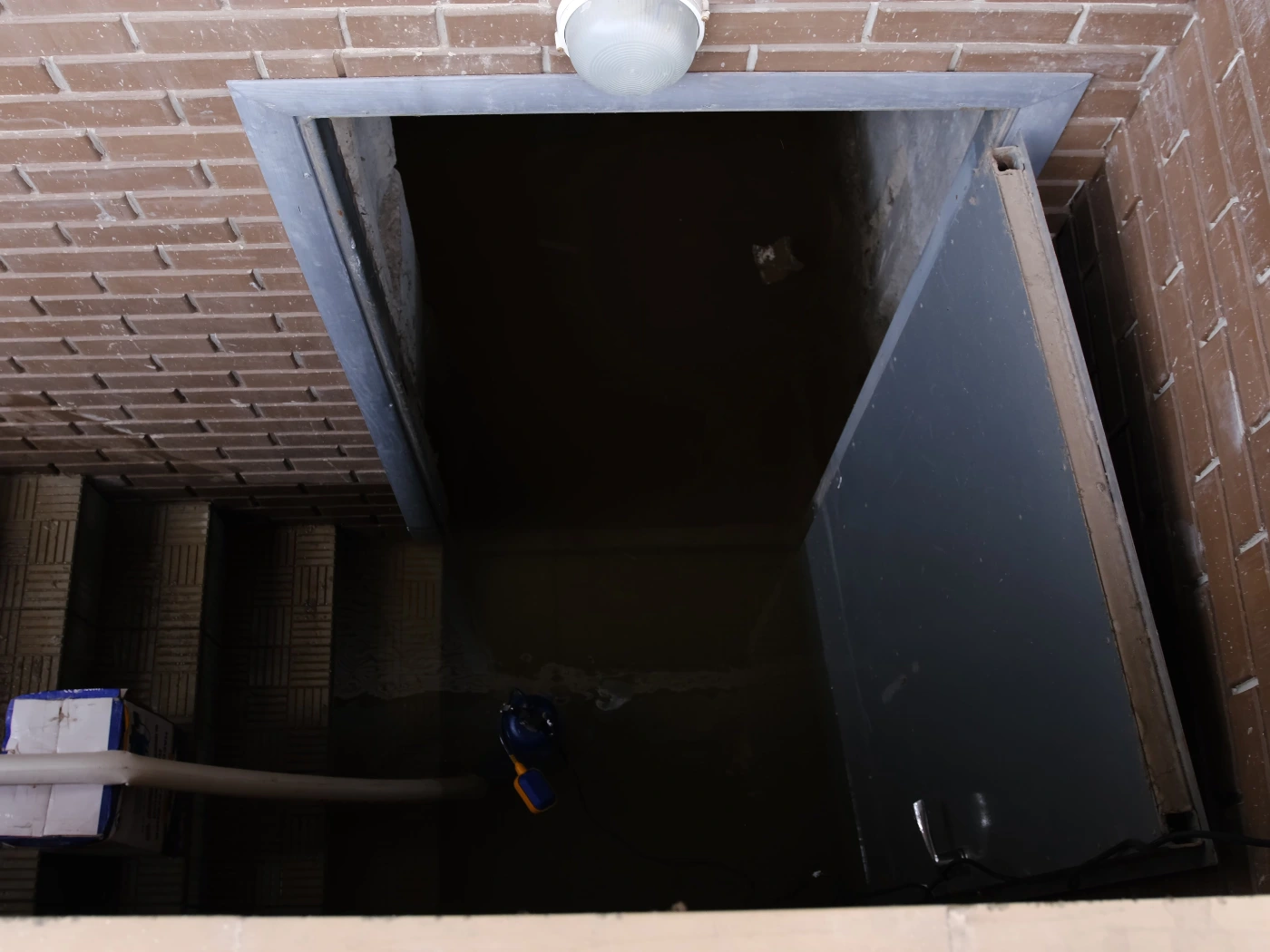
Quick answer: For a flooded basement in Boulder, turn off power to the basement only from a dry spot, then stop the water if you can. Pumps remove standing water, wet pad and drywall come out where needed, and the slab and framing are dried and checked. Call (720) 615-8346 24/7.
Water on the Basement Floor? Start Here
Look, a flooded basement is a rotten way to spend a day. You walk downstairs and the carpet squishes. The storage boxes sit in water. Your stomach drops.
Here is the thing about flooded basement cleanup in Boulder. Time matters more than anything else. Water soaks into drywall, carpet pad, and framing within hours. The EPA says mold can start growing in about 24 to 48 hours. For water anywhere else in the home, see our Boulder water extraction page.
Now, you might be wondering who to call first. Call (720) 615-8346 and the line is answered day and night. Tell the person what you see, and a local water extraction professional can be sent to your home.
Boulder basements flood for many reasons. Spring snowmelt, a summer storm, a failed sump pump, or a split pipe can all do it. Honestly, the cause matters less than how fast the water comes out. If you need quick steps, see what to do after water damage.
What You Can Count On When You Call
Calls to this number are answered 24 hours a day, 7 days a week. That covers the middle of the night, holidays, and the day after a big storm.
We cover Boulder and nearby towns, including Gunbarrel, Louisville, Lafayette, Superior, Erie, Niwot, and Longmont. Travel time varies by area and by how busy the weather has made things.
We will not throw around made up review counts or fake years in business here. That drives us a little crazy in this industry. If a company claims hundreds of jobs, ask how they know.
Before any work starts, ask three plain questions. Ask who carries the insurance. Ask how the price is set. Ask how drying will be checked. As far as we know, Colorado does not license water restoration as its own trade. So look for insurance and training such as IICRC certification.
A good pro explains the plan in simple words. If you leave a call confused, that is a warning sign. Usually the best crews are calm, direct, and happy to answer follow up questions.
Flooded Basement Extraction Explained, Neighbor to Neighbor
Basement water extraction means pulling standing water out fast, then removing what is left in the floor and walls. It is more than running a pump. The slab, carpet pad, and bottom of the walls hold water long after the puddles are gone.
Most customers want to know one thing. Can the basement be saved? In most cases the answer is yes, if the water is clean and help arrives quickly. If sewage is involved, the plan changes. See sewage backup cleanup for that.
Signs of basement water damage
Not every flood looks dramatic. Watch for a musty smell, peeling paint, and white chalky powder on concrete. Baseboards that warp, stained drywall, and a damp feeling in the air also count. Basement water damage signs are easy to miss until the smell hits.
Can water come up through a concrete floor?
Yes. When the soil outside is soaked, water pressure builds under the slab. It can push up through cracks, floor joints, and the gap where the floor meets the wall. Water coming up through a basement floor often shows up after days of rain or fast snowmelt.
What about a flooded tile floor?
Tile itself shrugs off water. The trouble is underneath. Water can sit under tile, in the grout lines, and in the cement board or wood below. A pro checks moisture readings before saying the floor is fine.
Some jobs are more complicated than they sound. A finished basement with a bathroom, carpet, and built in shelves can need several steps in a set order. We cannot fix everything overnight, and honest crews say so.
Do This, Not That, Before Help Arrives
First, stop the source if you can. If a pipe split, shut off the main water valve. If the water is rising from outside, do not fight it alone.
Second, think about power. Water and electricity do not mix. If the water touches outlets, appliances, or your breaker panel, stay out. Call Xcel Energy or an electrician and have the power shut off safely.
Third, take photos and video before you move anything. Your insurer will want them. Then carry small items to a dry spot upstairs.
Here is what not to do. Do not walk through deep water. Do not use a regular household vacuum on wet carpet. Do not turn on ceiling fixtures under a wet ceiling. And do not wait a few days to see if it dries. It will not.
If you are short on time, skip the cleanup and just call. You can read the rest later. For more detail, see our step by step process.
Why it matters
Why Boulder Basements Flood
Spring Snowmelt and Heavy Rain
Saturated soil pushes groundwater through foundation walls and floor slabs.
Sump Pump Failure
Pumps often fail during storms, when power goes out or the pump is overwhelmed.
Frozen and Burst Pipes
Supply lines in unheated basements and exterior walls can split in a hard freeze.
Window Wells and Drainage
Clogged wells, gutters and downspouts send water toward the foundation.
Floor Drain Backups
Water coming up through a drain may contain sewage and needs different handling.
How a Basement Water Removal Job Usually Goes
Usually the crew starts with safety and a look around. They check the water source, the power, and how far the water has spread. It varies, but most jobs follow this order. For basement water cleanup in Boulder, that means pumping out, extraction, drying and cleaning.
Step one is stopping the source. Step two is a pump out of deep water with submersible pumps. Step three is extraction, where machines pull water from carpet, pad, and the slab surface.
Step four is removing materials that cannot be saved. Soaked pad is the usual first to go. Wet drywall may be cut a few inches or a couple of feet above the floor line. Step five is moisture mapping with meters and a thermal camera.
Step six is drying. Air movers and dehumidifiers run for days, not hours. Concrete and framing dry slowly. Step seven is cleaning and treating surfaces to slow mold. The final step is a set of moisture readings that show the space is dry.
Sometimes the plan changes mid job. A hidden leak turns up. Or a wall is wetter than it looked. That is normal. Read more about drying on our structural drying page.
How it works
How Basement Water Extraction Works
Pumping Out
Submersible pumps remove deep standing water.
Extraction
Extractors pull remaining water from carpet, pad and the slab surface.
Moisture Mapping
Meters and thermal cameras show where water has moved behind walls and under flooring.
Drying
Air movers and dehumidifiers run until readings return to normal. Concrete and framing dry slowly, so this stage takes days rather than hours.
Cleaning
Affected surfaces are cleaned and treated to limit mold.
Equipment Used for Basement Extraction
Equipment varies by company, so ask what will be brought to your home. Here is what a solid basement job typically uses, and why each tool matters.
Submersible pumps handle deep standing water. Truck mounted or portable extractors pull water out of carpet and the slab surface. Moisture meters and a thermal imaging camera show where water hides behind walls and under floors.
Air movers push dry air across wet surfaces. Low grain dehumidifiers pull moisture out of the air so it stays out of your walls. Some crews add HEPA air scrubbers to filter dust and mold spores during demolition.
None of this is magic. The tools only help if the crew checks readings each day and adjusts the setup. That daily check is what separates a dry basement from a basement that smells again in a month.
What Happens If a Flooded Basement Sits
Mold is the big one. It can start within 24 to 48 hours on damp drywall, carpet, and wood. The EPA recommends drying wet materials within that window. See mold after water damage for the details.
Wet drywall wicks water upward like a paper towel. Wood framing can swell and rot over time. Carpet pad holds water and smells. Floors can warp and cabinets can come apart.
Health matters too. Water from a sewer line or a storm drain can carry bacteria. Children, older adults, and anyone with asthma or allergies should stay out of the area until it is cleaned.
Money matters as well. Acting early usually keeps repairs smaller. Many national cost guides list a few thousand dollars for a flooded basement, and more when sewage or mold is involved. Your price depends on the water, the area, and the drying time. Our cost guide explains what changes the bill.
What can be saved
Can Finished Basement Materials Be Saved?
It depends on the water source and how long materials stayed wet. Carpet and drywall soaked by clean water for a short time can often be dried in place. Materials soaked by sewage or left wet for days usually have to be removed. Finding water under your home rather than in it? See crawl space water removal. If a failed pump let the water in, see sump pump failure cleanup.
Mold can start within
24 to 48 hours
Calls answered
24/7
How to Judge a Basement Water Removal Company
People often ask us how to tell a good company from a bad one. Here is what we tell them. Look for steady, honest answers instead of hype.
Ask for proof of insurance. Ask whether the price is an estimate or a firm number. Ask what drying readings will be shared with you. Ask who will be on site and when.
Be careful with anyone who wants full payment first. Be careful with anyone who tears out half your basement before looking at the readings. And be careful with anyone who will not put the scope in writing.
Photos matter too. A good crew documents the water, the removed materials, and the final readings. That record helps with an insurance claim. Our insurance claim guide covers what to keep.
Boulder Basement Flooding: What Local Homeowners Should Know
Boulder sits where the foothills meet the plains. Water runs downhill off the mountains and through creeks such as Boulder Creek, Fourmile Creek, and Twomile Canyon Creek. Heavy rain upstream can raise groundwater around homes in town.
The September 2013 flood is the event most locals remember. Many Boulder County homes saw groundwater and sewer problems in their basements. Some families spent months drying out. It showed how fast a wet season can turn into a basement problem.
Front Range soil also plays a role. Much of it is clay, and clay holds water against foundations. Spring snowmelt, summer storms, and fast freeze and thaw swings all add to the load. Clogged window wells and gutters make it worse.
Many Boulder homes have finished basements with bedrooms, offices, and bathrooms. That raises the stakes, because there is more to dry and more to repair. If you plan major rebuilding, check with the City of Boulder Planning and Development Services about permits. You can also look up flood zones through the City of Boulder flood maps.
One local tip. If your sump pump runs often in spring, test the backup power before storm season. Also see sump pump failure cleanup and crawl space dewatering if water is under your home.
Why Call for Flooded Basement Cleanup Here
You get one phone number and a real answer, day or night. You are not filling out forms and waiting for a callback.
The help is local, so travel time stays short across Boulder and nearby towns. The focus is on getting water out quickly, then drying until the readings say it is done.
You also get straight talk. If your basement can be dried in place, you hear that. If materials have to come out, you hear why. Real benefits are a faster response, a clear plan, and fewer surprises when the bill comes.
Need help right now? Call (720) 615-8346. For after hours calls, see emergency water removal.
Areas We Serve for Basement Water Removal
Calls cover Boulder and nearby communities. Pick your area to learn more.
Central Boulder, North Boulder, South Boulder, East Boulder, and Gunbarrel.
Louisville, Lafayette, Superior, Erie, Niwot, and Longmont.
Travel limits depend on the hour and the weather. Closer areas are usually reached first. Ask for a time window when you call.
Flooded Basement Cleanup FAQ in Boulder
Here are quick answers to the questions callers ask most.
What should I do first when my basement floods in Boulder?
Stop the water source if you can. Stay out if water touches outlets or the panel. Take photos, then call (720) 615-8346 for flooded basement cleanup.
Who do I call for flooded basement cleanup in Boulder?
Call (720) 615-8346. The line is answered day and night. A local water extraction professional can then be sent to your home.
How long does basement water extraction take?
Pumping out standing water often takes hours. Drying usually takes several days. Concrete and framing dry slowly, so the timeline depends on moisture readings.
How much does basement water removal cost?
It depends on the water type, the area, and drying time. Many national guides show a few thousand dollars. Ask for a written scope before work starts.
Can I remove basement water myself?
Small clean spills can sometimes be handled with a wet vacuum. Deep water, sewage, or soaked walls need a pro. Hidden moisture is easy to miss.
Is it safe to go into a flooded basement?
Not always. Water near outlets or appliances can carry shock risk. Sewage can carry germs. If you are unsure, stay upstairs and call for guidance.
Does homeowners insurance cover a flooded basement?
It depends on the cause. Sudden pipe bursts are often covered. Groundwater seepage and flood usually need separate coverage. Sewer backup may need an add on. Check your policy.
How soon does mold grow after a basement flood?
Mold can start in about 24 to 48 hours, according to the EPA. Fast drying is the best defense. Call early, even if the water looks minor.
Why is water coming up through my basement floor?
Soaked soil builds pressure under the slab. Water then pushes through cracks and joints. A failed sump pump or high groundwater after heavy rain can also be the cause.
Can wet carpet and drywall in a basement be saved?
Often yes, if the water was clean and drying began quickly. Sewage soaked or long wet materials usually must be removed. A pro checks the readings first.
Guides
Related Guides
Sources
EPA, A Brief Guide to Mold, Moisture and Your Home. EPA, Flood Cleanup to Protect Indoor Air and Your Health. City of Boulder, Flood Management Program.
Contact us