
Boulder, Colorado
Toilet Overflow Cleanup in Boulder, CO
Toilet overflow cleanup in Boulder starts with one phone call. Call (720) 615-8346 any hour for water removal and cleanup from a local pro. Overflow water can soak floors and ceilings fast, so here is what to do first.
Calls answered 24/7
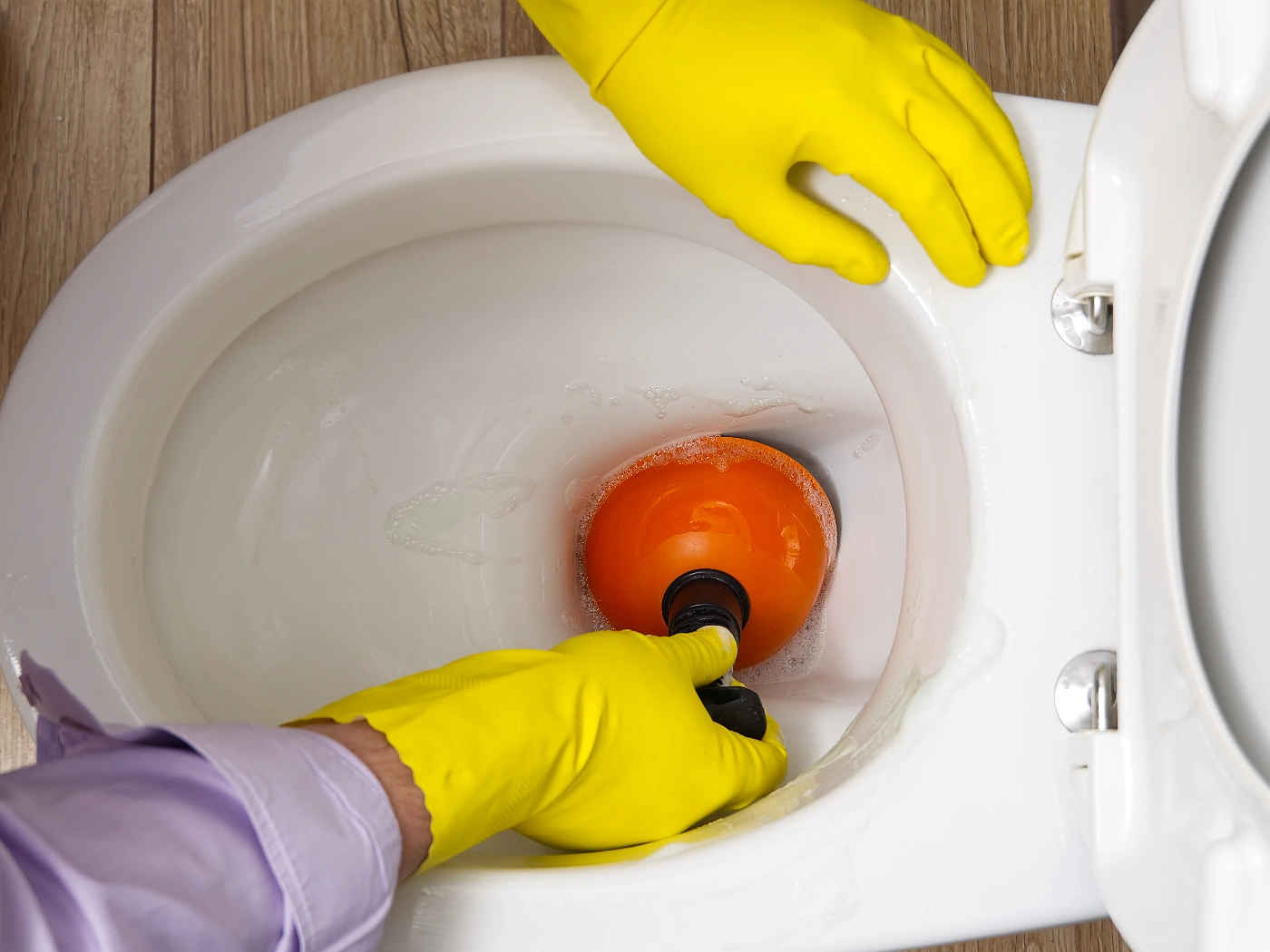
Quick answer: For a toilet, tub or sink overflow, turn off the valve behind the fixture and stop using it. Clean water from a supply line can often be dried in place. Water from a toilet bowl or a drain is treated as contaminated. Call (720) 615-8346 for overflow cleanup in Boulder.
Toilet Overflowing? Start Here
Look, an overflowing toilet is stressful. The water keeps coming. You are grabbing towels and hoping it stops. It is gross, and it spreads faster than you think.
Here is the thing about toilet overflow water damage in Boulder. The mess on the bathroom floor is only part of it. Water can run under the tile, into the subfloor, and through the ceiling below.
Now, you might be wondering what to do right now. First, stop the flow. Then call (720) 615-8346. The line is answered day and night, and a local water extraction professional can be sent to your home.
Time matters. The EPA says mold can start growing in about 24 to 48 hours. For quick steps, see what to do after water damage.
What You Can Count On When You Call
Calls to this number are answered 24 hours a day, 7 days a week. That includes holidays and the day after a big storm.
We cover Boulder and nearby towns, including Gunbarrel, Louisville, Lafayette, Superior, Erie, Niwot, and Longmont. Arrival time varies by the hour, the weather, and how many calls are ahead of yours.
We will not throw around made up review counts or fake years in business. That drives us a little crazy in this industry. If a company claims hundreds of jobs, ask how they know.
Before work starts, ask three plain questions. Who carries the insurance? How is the price set? How will drying be checked? As far as we know, Colorado does not license water restoration as its own trade. So look for insurance and training such as IICRC certification.
A good pro explains the plan in simple words. If you leave a call confused, that is a warning sign.
Toilet Overflow Cleanup Explained, Neighbor to Neighbor
Toilet overflow cleanup means removing the water, cleaning and disinfecting the area, and drying the floor and walls. It also means checking where the water went, including the room below.
Most customers ask us the same thing. Is this water safe? Not always. Toilet water can carry germs, so it is treated with care. A full sewer backup is worse. See sewage backup cleanup.
Stop the Water First
Turn the shutoff valve behind the toilet clockwise. If it will not turn, shut off the main water valve. Keep kids and pets out. Wear gloves and boots. Do not flush again.
My toilet overflowed and leaked through the ceiling
This happens often with an upstairs bathroom. Water can run through the floor and show up as a stain or drip below. Stay out from under it, and call. See ceiling water damage.
Sink and bathtub overflow
The same steps apply to a tub or sink overflow. Those are often cleaner water, but they still soak floors and walls. Bathtub overflow cleanup is usually about fast drying.
Some jobs are more complicated than they sound. Tile, grout, carpet, and wood all react differently. We cannot fix everything overnight, and honest crews say so.
First steps
What To Do After a Toilet Overflow
Mistakes to Avoid After a Toilet Overflow
Here are the mistakes we see most. People mop with a regular mop and use the same one around the house. They use a household vacuum on wet floors. They keep flushing to see if it clears.
Another one is only wiping the surface. Overflow water can soak into grout, baseboards, and carpet. It needs more than a towel.
Do not mix cleaning products. Some mixes make dangerous fumes. Use gloves, and wash your hands well.
Take photos before anything is moved. Your insurer will want them. See our insurance claim guide for what to keep.
Why it matters
Toilet Overflow Water Damage: Clean, Gray or Black?
How an overflow is cleaned up depends on what was in the water. Restoration guidelines sort it into three categories. A tub or sink overflow, or a cracked toilet tank, is Category 1, clean water. A bowl overflow with urine but no solid waste is Category 2, gray water. Water that backs up from beyond the toilet trap, or carries feces, is Category 3 and is treated like sewage. Clean water moves down that scale the longer it sits, so even a simple bathtub overflow cleanup should not wait. If the cause is a blocked sewer line, see sewage backup cleanup.
When the Water Has Waste in It
If the water has waste in it, treat it like sewage. Keep children and pets out of the room. Wear rubber gloves, boots and eye protection, and wash your hands well when you are done. Do not use a household vacuum or a mop you use elsewhere in the home. Carpet, pad, and other soft items that soaked up dirty water usually cannot be cleaned well enough to keep, so they are often removed. Hard surfaces get cleaned first and then disinfected. If several drains back up at once, the problem is likely in the sewer line, so see sewage backup cleanup. For sewage cleanup in Boulder, call (720) 615-8346.
Mold can start within
24 to 48 hours
Calls answered
24/7
How the Cleanup Usually Goes
Usually the crew starts with safety and a look around. They check how far the water spread and where it went. It varies, but most jobs follow this order.
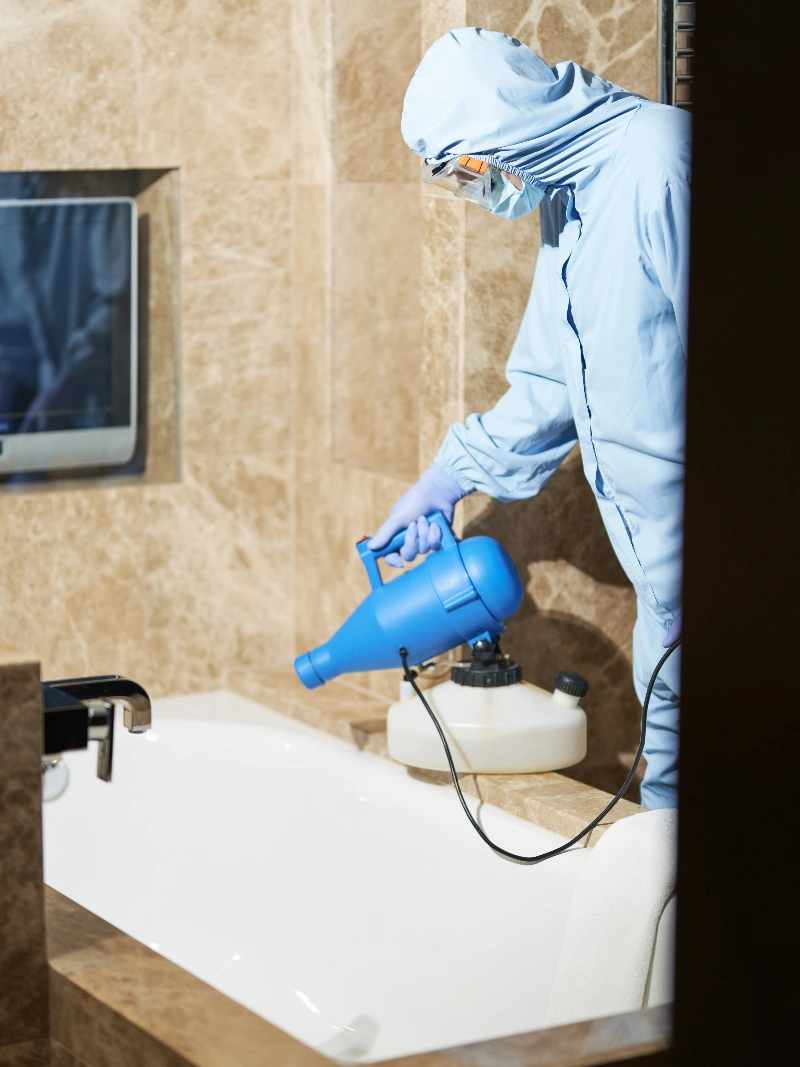
First comes extraction of standing water. Next, porous materials such as soaked carpet, pad, and wet baseboards may be removed. Hard surfaces are cleaned and disinfected.
Then moisture meters check the floor, walls, and the ceiling below. Air movers and dehumidifiers dry the area for a few days.
The last step is checking readings until they return to normal. Sometimes the plan changes mid job. A wall is wetter than it looked. That is normal. See our process page and structural drying page.
How it works
What Each Step Involves
Stop and Assess
The contractor confirms the water is off, works out which category it is, and uses a moisture meter to see how far it travelled.
Extraction
Standing water is removed from the bathroom floor, and from carpet and pad in the hallway or bedroom next door.
Cleaning and Sanitizing
Hard surfaces are cleaned first, then disinfected. With gray or black water, porous materials that soaked it up are removed.
Drying Floors and Walls
Air movers and dehumidifiers dry the subfloor, baseboards and wall bottoms. Moisture hides under flooring, so readings are taken as the job goes on.
The Ceiling Below
If the bathroom is upstairs, the ceiling and the cavity underneath are checked and dried, or opened up if the drywall has sagged.
Equipment Used to Clean and Dry
Equipment varies by company, so ask what will be brought to your home. Here is what a solid job typically uses.
Extractors pull water from floors. Moisture meters and thermal cameras find hidden wet spots in walls and ceilings. Air movers and dehumidifiers dry the space. Antimicrobial cleaners treat hard surfaces.
Crews wear gloves, boots, and eye protection. Some add HEPA air scrubbers for odor.
None of this is magic. The tools only help if the crew checks readings and follows safe steps. That is what keeps smells and germs from coming back.
What Happens If Overflow Water Sits
Mold is the big risk. It can start within 24 to 48 hours, according to the EPA. See mold after water damage for details.
Water that soaks into a subfloor can warp wood and loosen tile. It can drip into the ceiling below and cause stains or sagging. Odors can linger.
Toilet water can carry bacteria. Children, older adults, and anyone with a weak immune system should avoid the area until it is cleaned.
Money matters as well. Acting early usually keeps repairs smaller. Small overflows can cost a few hundred dollars to dry. Larger spreads can cost more. Your price depends on the area, the water, and drying time. Our cost guide explains what changes the bill.
What to look for
Why Toilets, Tubs and Sinks Overflow
If several fixtures back up at once, the problem is in the sewer line, not the toilet. In Boulder the sewer service line is the property owner’s responsibility up to and including the connection to the city main. If you suspect the main itself, report it to the City of Boulder utilities team through the city website.
How to Judge a Toilet Overflow Cleanup Company
People often ask how to tell a good company from a bad one. Look for steady, honest answers instead of hype.
Ask for proof of insurance. Ask whether the price is an estimate or firm. Ask what moisture readings will be shared with you. Ask who will be on site and when.
Be careful with anyone who wants full payment first. Be careful with anyone who tears out half your home before checking readings. And be careful with anyone who will not put the scope in writing.
A good crew documents the water, the removed materials, and the final readings. That record helps with an insurance claim. Many policies cover sudden overflow, but not slow leaks, so check yours.
Toilet Overflow in Boulder: What Local Homeowners Should Know
Many Boulder homes have more than one bathroom, often upstairs. That means a toilet overflow can reach the ceiling and walls below. Older homes may also have older plumbing that clogs more easily.
Tree roots can clog sewer lines in older neighborhoods. If several drains are slow, the problem may be the main line. A plumber with a camera can check.
Know where your shutoff valve is. It is usually behind the toilet. Know where your main water valve is too. The City of Boulder Utilities department can help if the main shutoff is stuck.
If you plan major rebuilding, check with the City of Boulder Planning and Development Services about permits. If the water came from a burst line, see burst pipe water cleanup.
Why Call This Number
You get one phone number and a real answer, day or night. You are not filling out forms and waiting for a callback.
The help is local, so travel time stays short across Boulder and nearby towns. The focus is on getting water out quickly, then drying until the readings say it is done.
You also get straight talk. If something can be dried in place, you hear that. If materials have to come out, you hear why. Real benefits are a faster response, a clear plan, and fewer surprises.
Need help right now? Call (720) 615-8346. For after hours calls, see emergency water removal.
Areas We Serve Near Boulder
Calls cover Boulder and nearby communities. Pick your area to learn more.
Central Boulder, North Boulder, South Boulder, East Boulder, and Gunbarrel.
Louisville, Lafayette, Superior, Erie, Niwot, and Longmont.
Travel limits depend on the hour and the weather. Closer areas are usually reached first. Ask for a time window when you call.
Toilet Overflow Cleanup FAQ in Boulder
Here are quick answers to the questions callers ask most.
What should I do first after a toilet overflow?
Shut off the valve behind the toilet. Keep kids and pets away. Wear gloves, then call (720) 615-8346.
Is toilet overflow water dangerous?
It can be. Toilet water can carry germs. Treat it with care and clean and disinfect the area.
What if my toilet overflowed and leaked through the ceiling?
Stay out from under the stain. Shut off the water and call. Water may be inside the ceiling.
Can I clean up a toilet overflow myself?
Small overflows can sometimes be handled with gloves and disinfectant. Large spills or wet ceilings need a pro.
How long does toilet overflow cleanup take?
Cleaning can take hours. Drying usually takes a few days. It depends on how far the water spread.
How much does toilet overflow cleanup cost?
It depends on the area, the water, and drying time. Small jobs can cost a few hundred dollars. Larger ones cost more. Ask for a written scope.
Does insurance cover a toilet overflow?
Many policies cover sudden overflow. Slow leaks and neglect are often excluded. Check your policy.
What about a bathtub or sink overflow?
The steps are similar. Shut off the water, remove standing water, and dry the area. Call if it reached the floor below.
Can toilet overflow cause mold?
Yes. Mold can start in about 24 to 48 hours, according to the EPA. Fast drying helps.
Who do I call for toilet overflow cleanup in Boulder?
Call (720) 615-8346. The line is answered day and night. A plumber can fix the clog.
Guides
Related Guides
Sources: University of Michigan EHS, flood damage remediation guideline (water categories). City of Boulder, sanitary sewer information. Insurance Information Institute, which disasters are covered by homeowners insurance. CDC, guidelines for cleaning safely after a disaster. FEMA and American Red Cross, Repairing Your Flooded Home.