
Boulder, Colorado
Structural Drying After Water Damage in Boulder
Structural drying in Boulder starts with one phone call. Call (720) 615-8346 any hour for water damage drying from a local pro. Pumping out water is the fast part, so here is how the slow part works.
Calls answered 24/7
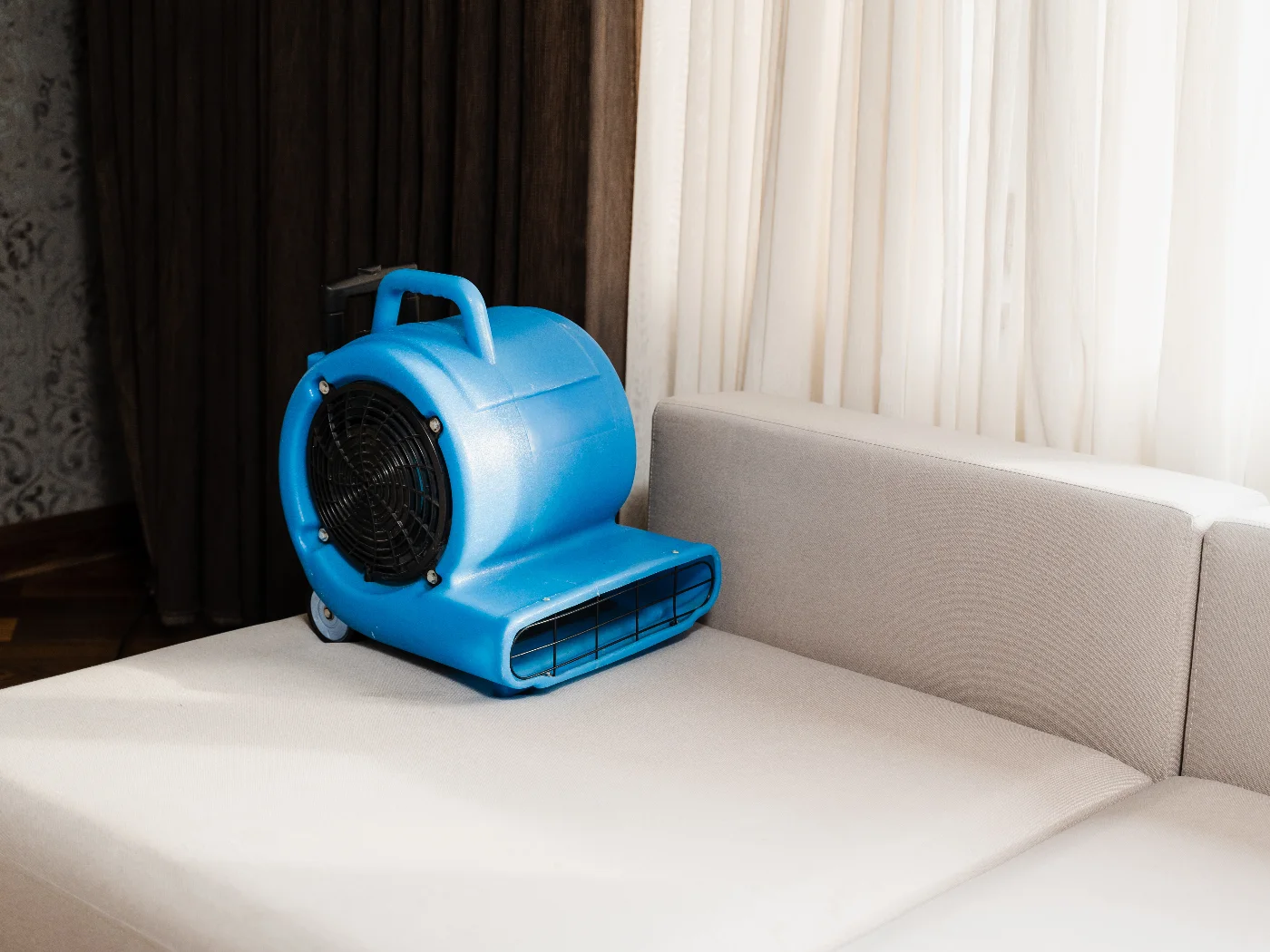
Quick answer: Structural drying removes moisture from walls, floors and framing after the standing water is gone. Air movers and dehumidifiers run for several days while a pro takes daily moisture readings. The job is done when readings are back to normal, not when surfaces feel dry. Call (720) 615-8346 in Boulder.
Water Is Gone but the House Still Feels Damp? Start Here
Look, the puddles are gone. The towels are in the wash. But the room still smells a bit off, and the wall feels cool to the touch. That is the part people miss.
Here is the thing about structural drying in Boulder. Pumping out water is the fast part. What takes time is the water you cannot see. It sits in drywall, framing, subfloor, and insulation.
Now, you might be wondering if you can just run a fan. Usually not. A fan moves air but does not pull water out of it. Call (720) 615-8346. The line is answered day and night, and a local water damage drying pro can be sent to your home.
Time matters. The EPA says mold can start growing in about 24 to 48 hours. For quick steps, see what to do after water damage.
What You Can Count On When You Call
Calls to this number are answered 24 hours a day, 7 days a week. That includes holidays and the day after a big storm.
We cover Boulder and nearby towns, including Gunbarrel, Louisville, Lafayette, Superior, Erie, Niwot, and Longmont. Arrival time varies by the hour, the weather, and how many calls are ahead of yours.
We will not throw around made up review counts or fake years in business. That drives us a little crazy in this industry. If a company claims hundreds of jobs, ask how they know.
Before work starts, ask three plain questions. Who carries the insurance? How is the price set? How will drying be checked? As far as we know, Colorado does not license water restoration as its own trade. So look for insurance and training such as IICRC certification.
A good pro explains the plan in simple words. If you leave a call confused, that is a warning sign.
Structural Drying Explained, Neighbor to Neighbor
Structural drying is the stage after water removal. It uses air movers, dehumidifiers, and moisture readings to dry the building itself. The goal is to bring wood, drywall, and concrete back to normal moisture levels.
Most customers ask us the same thing. How long does it take to dry out after water damage? Usually several days. Thick materials like framing and concrete take longer than carpet or drywall.
Moisture mapping
Pros use meters and thermal cameras to map where water has gone. This shows wet spots behind walls and under floors. It also gives a starting point to track progress each day.
Dehumidification after water damage
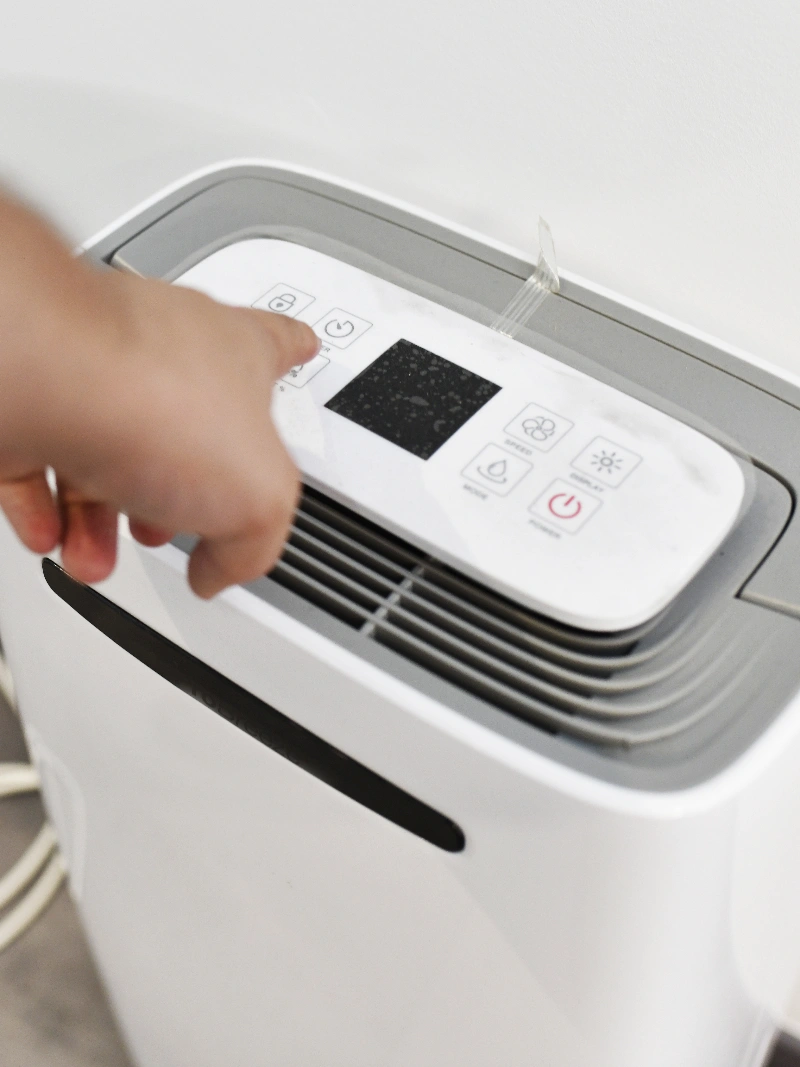
Air movers help water leave the materials. But that water goes into the air. Dehumidifiers pull it out. Without them, the moisture can move to other rooms and settle in cool spots.
Wet drywall drying
Wet drywall can sometimes be dried in place. Sometimes it has to be cut open or replaced. It depends on the water type and how long it sat. Insulation inside the wall is often removed.
Some jobs are more complicated than they sound. Drying a closed up wall, a crawl space, or a concrete slab all look different. We cannot fix everything overnight, and honest crews say so.
First steps
What To Do Before Drying Starts
Mistakes to Avoid While Drying
Here are the mistakes we see most. People use one box fan and call it done. They crank the heat, which can warp wood. They seal up the walls before they are dry inside.
Another one is stopping too early. A surface that feels dry can still hold moisture inside. Without readings, you are guessing.
Also, do not paint, caulk, or cover wet materials. That traps moisture. And do not unplug drying equipment to save power. It only works if it runs.
Take photos before anything is moved. Your insurer will want them. See our insurance claim guide for what to keep.
Why it matters
Why a Water Damage Drying Service Is More Than Fans
A box fan moves air around. It does not take water out of the air. The EPA’s sequence for wet materials is to extract the water, bring the humidity down with a dehumidifier, and then speed the drying up with fans. Dehumidification after water damage is the step that carries the moisture out of the building. Building scientists rank paper-faced drywall and fiberglass insulation among the most water-sensitive materials in a house, and the EPA advises drying everything within 24 to 48 hours to prevent mold. That window is the reason drying should start as soon as the water is out.
Mold can start within
24 to 48 hours
Calls answered
24/7
How a Water Damage Drying Job Usually Goes
Usually the crew starts with a look around and moisture readings. They set a drying goal based on dry materials in the same home. It varies, but most jobs follow this order.
First comes removing standing water. Next, materials that cannot be saved are removed. Then air movers and dehumidifiers are placed to dry the area.
Each day, the crew checks moisture readings and adjusts the setup. Equipment may be moved or turned off in rooms that are dry. Most jobs take several days.
The last step is confirming that readings match the dry goal. Then equipment is removed. Sometimes the plan changes mid job. A wall is wetter than it looked. That is normal. See our process page for the full overview.
How it works
How Structural Drying Works
Inspection
A moisture meter finds how far the water travelled inside walls, floors and ceilings. A reading from a dry part of the house gives the target.
Extraction
Any remaining water is removed from carpet, pad and hard floors before the drying equipment goes in.
Air Movement
Air movers are aimed across wet surfaces. Baseboards may come off, and small holes may be made so air can reach inside the wall.
Dehumidification
Dehumidifiers pull the evaporated water out of the air and drain it away, so the room keeps drying.
Monitoring
Readings are checked and equipment is moved as areas dry. The job ends when the numbers say so, not when the surface feels dry.
Equipment Used for Structural Drying
Equipment varies by company, so ask what will be brought to your home. Here is what a solid drying job typically uses.
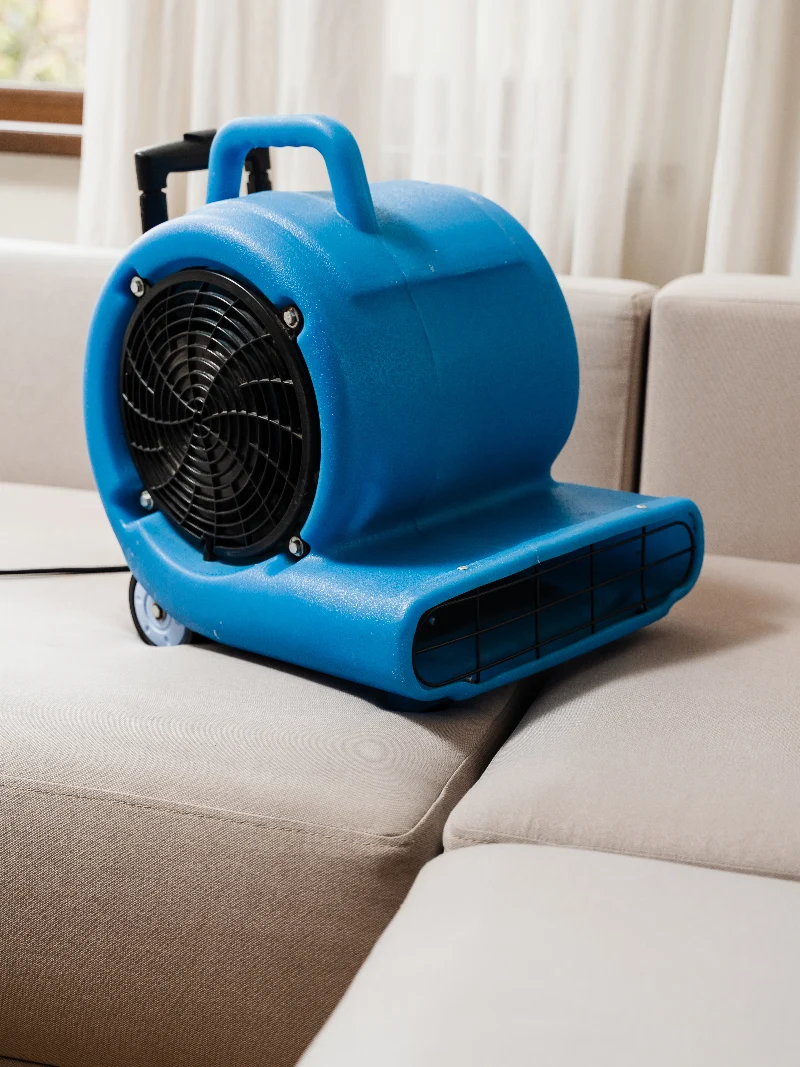
Moisture meters measure wood and drywall. Thermal imaging cameras show cold wet spots. Air movers push dry air across surfaces. Dehumidifiers pull moisture out of the air. Low grain dehumidifiers work well in cool areas.
Some crews use drying mats for floors and small ports for wall cavities. HEPA air scrubbers help with dust and odor.
None of this is magic. The tools only help if the crew checks readings each day and adjusts the setup. That daily check is what makes drying work.
What Happens If a House Is Not Dried Properly
Mold is the big risk. It can start within 24 to 48 hours, according to the EPA. See mold after water damage for details.
Wet wood can swell and rot. Drywall can crumble. Paint can peel. Floors can warp. A musty smell can linger for months.
Damp air can also affect people with asthma and allergies. Children and older adults should be careful in damp rooms.
Money matters as well. Proper drying usually keeps repairs smaller. National guides often show a few hundred to a few thousand dollars for drying, depending on size. Your price depends on the area, the water, and drying time. Our cost guide explains what changes the bill.
What can be saved
What Can Be Dried and What Cannot
Plaster, hardwood, concrete and masonry hold water longer than drywall and take longer to dry. For wood floors, see hardwood floor water damage. For wet carpet, see carpet water extraction.
How to Judge a Structural Drying Company
People often ask how to tell a good company from a bad one. Look for steady, honest answers instead of hype.
Ask for proof of insurance. Ask whether the price is an estimate or firm. Ask what moisture readings will be shared with you. Ask who will be on site and when.
Be careful with anyone who wants full payment first. Be careful with anyone who tears out half your home before checking readings. And be careful with anyone who will not put the scope in writing.
A good crew documents the water, the removed materials, and the final readings. That record helps with an insurance claim. Many policies cover drying after a sudden leak, but check yours.
Drying a Home in Boulder: What Local Homeowners Should Know
Boulder sits where the foothills meet the plains. The air is often dry, which helps evaporation. But dry air outdoors does not dry the inside of a wall. Closed cavities, basements, and crawl spaces stay damp.
Basements and crawl spaces are common here. Concrete slabs hold water for a long time. See flooded basement water extraction and crawl space water removal.
Winter matters too. Cold weather slows drying. Crews may use extra heat or longer drying times. Heating the house helps.
If you plan major rebuilding, check with the City of Boulder Planning and Development Services about permits. Do not rebuild until the readings say the wood is dry.
Why Call for Structural Drying Here
You get one phone number and a real answer, day or night. You are not filling out forms and waiting for a callback.
The help is local, so travel time stays short across Boulder and nearby towns. The focus is on getting water out quickly, then drying until the readings say it is done.
You also get straight talk. If something can be dried in place, you hear that. If materials have to come out, you hear why. Real benefits are a faster response, a clear plan, and fewer surprises.
Need help right now? Call (720) 615-8346. For after hours calls, see emergency water removal.
Areas We Serve for Structural Drying
Calls cover Boulder and nearby communities. Pick your area to learn more.
Central Boulder, North Boulder, South Boulder, East Boulder, and Gunbarrel.
Louisville, Lafayette, Superior, Erie, Niwot, and Longmont.
Travel limits depend on the hour and the weather. Closer areas are usually reached first. Ask for a time window when you call.
Structural Drying FAQ in Boulder
Here are quick answers to the questions callers ask most.
What is structural drying?
It is drying the building after water damage. Pros use air movers, dehumidifiers, and moisture meters. It dries framing, drywall, and floors.
How long does it take to dry out after water damage?
Usually several days. Thicker materials take longer. Readings tell you when it is dry.
Can I dry out water damage with fans?
Fans alone usually are not enough. They move air but do not remove moisture from it. Dehumidifiers and readings matter.
What is moisture mapping?
It is using meters and thermal cameras to find wet areas. It shows where water went and tracks drying progress.
Why do I need a dehumidifier after water damage?
Drying puts moisture into the air. A dehumidifier pulls it out so it does not settle elsewhere.
Can wet drywall be dried in place?
Sometimes, with clean water and quick action. Otherwise it may need to be cut or replaced. Readings guide the decision.
How do I know when my house is dry?
Moisture readings match a dry goal set from dry materials in your home. A pro should share them.
How much does structural drying cost?
It depends on the area, the water, and drying time. National guides often show a few hundred to a few thousand dollars. Ask for a written scope.
Does insurance cover drying?
Many policies cover drying after a sudden leak. Slow leaks and flood are often excluded. Check your policy.
Who do I call for water damage drying in Boulder?
Call (720) 615-8346. The line is answered day and night. A local pro can be sent to your home.
Guides
Related Guides
Sources: U.S. EPA, mold remediation guide, Table 1, Flood Cleanup to Protect Indoor Air and Your Health and A Brief Guide to Mold, Moisture and Your Home. FEMA and American Red Cross, Repairing Your Flooded Home. Boulder County Public Health, mold. Building Science Corporation, BSD-111. IICRC, S500 Standard for Professional Water Damage Restoration.
Contact us