
Boulder, Colorado
Mold Remediation in Boulder, CO
Mold remediation in Boulder, CO starts with one phone call. Call (720) 615-8346 any hour. A local restoration pro can talk through what you see and send help to your home.
Calls answered 24/7
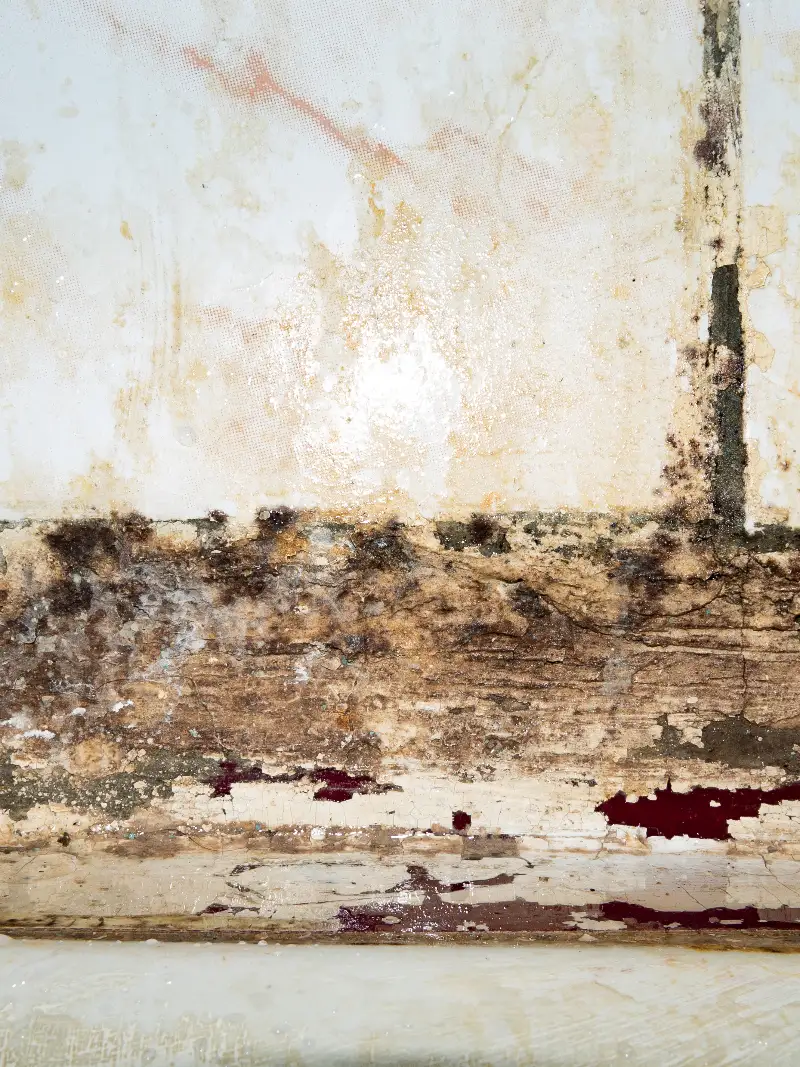
Quick answer: Mold remediation in Boulder, CO starts by finding and stopping the moisture. A local pro removes mold damaged material, dries the area and checks the readings. Call (720) 615-8346 any hour.
Mold in Your Boulder Home? Start Here
Mold needs three things. It needs moisture, a food source such as drywall or wood, and time. Take away the moisture and it stops growing. That is why the first step is never a spray. It is finding where the water came from.
If you can see or smell mold, stay calm and keep the area closed off. Do not sweep it or blow air across it. Call (720) 615-8346 and tell the pro what you see and where.
The EPA and CDC say mold can start growing on damp materials within about 24 to 48 hours. If a leak or flood caused this, our guide on mold after water damage explains the timeline.
What You Can Count On When You Call
The phone is answered 24 hours a day, 7 days a week, including nights and holidays. Say where the mold is and where the water came from, and a local pro takes over.
Arrival time depends on the hour, the weather and the calls ahead of yours. On the call, ask the pro for a time window. No honest crew promises an exact minute.
This page shows no awards or job totals, because none can be proven here. For mold removal in Boulder, ask any crew about insurance, how the price is set and how they will prove the area is dry.
Mold Remediation in Boulder, CO, Explained Like a Neighbor Would
Mold remediation in Boulder, CO means fixing the moisture problem, then removing mold and the materials it ruined, then drying and cleaning the area. It is more than wiping a stain. A stain on the surface can sit on a wall that is wet inside.
Is it mold or just a stain?
Mold often looks like spots or fuzzy patches in black, green or white. It can also smell musty. A stain that comes back after cleaning, or a smell with no clear source, can point to hidden moisture.
Do I need a mold test first?
Not always. Per the EPA, you usually do not need sampling to choose your next step. If you can see mold or smell it, the job is to find the moisture and fix it. Ask the crew what a test would change before you pay for one.
Will bleach fix it?
The EPA does not suggest bleach or biocides as a routine step. Killing mold on the surface does not remove the damaged material or the moisture behind it.
Do This, Not That, While You Wait
Do this:
- Close off the room and keep people with asthma or allergies out of it.
- Fix or shut off the water source if you can do it safely.
- Photograph the mold and the area before anything is moved.
- Run a dehumidifier if the air feels damp. The EPA suggests holding indoor humidity under 60 percent, with 30 to 50 percent as the ideal range.
Not that:
- Do not scrub or sand mold. That can spread spores.
- Do not run a household fan across it.
- Do not paint over it. Paint does not stop mold that is growing underneath.
- Do not hand over full payment until you have read a written scope.
Why Mold Shows Up in Boulder Homes
Mold remediation in Boulder, CO almost always traces back to water. Mold rarely appears on its own in a dry room.
Basements and lower levels
Many Boulder homes have finished basements. Water from a leak or from outside can soak carpet, baseboards and the bottom of walls, and those spots dry slowly. During the September 2013 flood, window wells filled and lower levels flooded in parts of Boulder.
Burst or frozen pipes
Boulder County winters swing from warm afternoons to deep freezes. A pipe that splits behind a wall can leak for days before anyone sees it. Our frozen pipes guide covers prevention.
Slow leaks and appliances
A dripping supply line, a water heater connection or a washing machine hose can keep a wall damp for weeks. See appliance leak water damage for what to check.
How a Mold Remediation Job Usually Goes
Every job follows the same order. Details change with the size of the area and the material.
- Find and stop the moisture. The source is fixed or shut off first. Without this, mold returns.
- Contain the area. The crew seals off the work area so spores do not travel through the house.
- Remove what cannot be saved. Soaked drywall, carpet pad and insulation often have to come out. Hard materials may be cleaned instead.
- Dry the structure. Air movers and dehumidifiers run until moisture readings drop to normal. Read about structural drying.
- Clean the area. Surfaces and the air in the work area are cleaned.
- Check the readings. Ask for the final moisture readings in writing.
Mold remediation in Boulder, CO is not done until the area is dry and the cause is fixed.
What You Can Handle Yourself and When to Call
For a small patch, roughly under 10 square feet, the EPA says you may be able to clean it yourself. If you do, wear an N95 respirator, gloves and eye protection.
Mold remediation in Boulder, CO is often more than a small cleanup job. Call a pro when the area is larger, when mold came back after cleaning, when water or sewage caused it, or when you smell mold but cannot find it. For sewage, see sewage backup cleanup. For a wet lower level, see flooded basement water extraction.
How to Judge a Mold Remediation Company
Anyone who offers mold remediation in Boulder, CO should answer these before you agree to anything:
- Do you carry insurance? Ask to see it.
- What will the written scope include, and what will it not include?
- How do you contain the area?
- How will you prove the area is dry when you finish?
- How is the price set? Read our cost guide to see what drives a price.
Insurance and a clear written scope are what you can check. Be careful with anyone who offers a price over the phone without seeing the area.
What Happens If Mold Is Left Alone
Mold does not stay put. Once it takes hold, it spreads into drywall, carpet pad and wood. The longer it grows, the more material has to be removed and the more a job can cost.
A musty smell, stains or warped walls can be early signs, even when you see no mold. If you notice any of these after a leak, call early. Waiting for the area to dry by itself leaves moisture inside walls where you cannot see it.
If you rent, tell your landlord in writing and keep dated photos. Write down dates, keep your photos and note who you called.
Why Call for Mold Remediation in Boulder, CO
Calls reach a live person at any hour. For mold remediation in Boulder, CO the goal for your home is simple. Find the moisture, remove the mold damaged material, dry the area and be honest about what has to go.
Call (720) 615-8346 now, or see emergency water removal if water is still running.
Nearby Areas and Related Services
Calls cover Boulder and nearby towns. See pages for Gunbarrel, Louisville, Lafayette, Superior and Longmont. Related help includes water damage repair, carpet water extraction and ceiling water damage.
Mold Remediation FAQ for Boulder, CO
These short answers cover what callers ask us most.
Who do I call for mold remediation in Boulder, CO?
Call (720) 615-8346 any hour. A local pro answers, asks where the mold is and where the water came from, and sends help.
How fast can mold grow?
Mold can begin growing on damp materials within roughly 24 to 48 hours, according to the EPA and CDC.
Can I clean mold myself?
The EPA says you may be able to handle a small area, roughly less than 10 square feet. Protect yourself with an N95 respirator, gloves and eye protection.
Does bleach kill mold?
Not as a routine fix, according to the EPA, which cautions against bleach or biocides. The moisture and the damaged material are the real problem.
Should I pay for a mold test?
Rarely, since the EPA notes sampling is seldom needed to pick a plan. Ask what a test would change.
What does mold remediation in Boulder, CO cost?
It depends on the size, the material and how far moisture spread. Ask for a written scope and see our cost guide.
Will insurance pay?
Policies differ. Sudden and accidental water damage is often covered and slow leaks often are not. Our insurance claim guide explains the steps, and your insurer can confirm your policy.
How long does it take?
It depends on the size of the area. Drying usually takes several days. Ask for a time window and for the final readings.
Can mold come back?
Yes, if the moisture is not fixed. A steady humidity of 30 to 50 percent helps, and it should stay under 60 percent.
Should I stay in the house?
Keep people with asthma or allergies away from the area. Close off the room and call (720) 615-8346.
Guides
Related Guides
Sources
Look at the EPA guide A Brief Guide to Mold, Moisture, and Your Home, the CDC mold guidance, and the IICRC S520 standard for mold remediation.