
Boulder, Colorado
Hardwood Floor Water Damage and Drying in Boulder
Hardwood floor water damage in Boulder starts with one phone call. Call (720) 615-8346 any hour for hardwood floor drying from a local pro. Wood reacts fast to water, so here is what to do first.
Calls answered 24/7
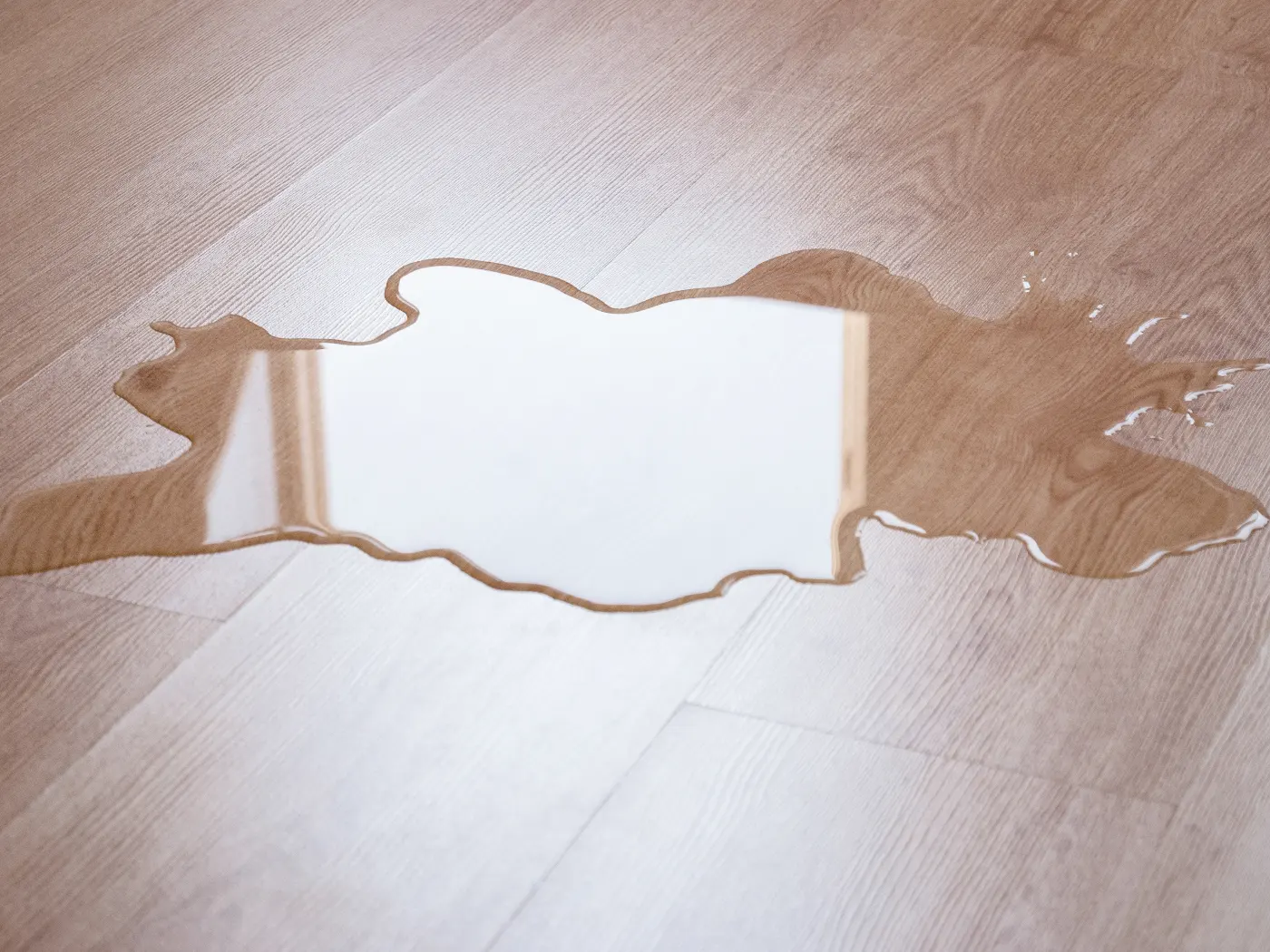
Quick answer: Wet hardwood can cup or buckle within days. Get standing water off fast and do not sand or refinish yet. Pros dry the boards and the subfloor with air movers and dehumidifiers and check them with a meter, and many floors can be saved. Call (720) 615-8346 for help in Boulder.
Water on Your Hardwood Floor? Start Here
Look, hardwood floors are the pride of a house. So seeing water pooled on one feels terrible. You grab towels and hope for the best.
Here is the thing about hardwood floor water damage in Boulder. Wood soaks up water like a sponge. It swells, cups, and can buckle. And the worst of it often happens under the boards where you cannot see.
Now, you might be wondering if the floor can be saved. Often it can, if drying starts quickly. Call (720) 615-8346. The line is answered day and night, and a local water extraction professional can be sent to your home.
Time matters. The EPA says mold can start growing in about 24 to 48 hours. For quick steps, see what to do after water damage.
What You Can Count On When You Call
Calls to this number are answered 24 hours a day, 7 days a week. That includes holidays and the day after a big storm.
We cover Boulder and nearby towns, including Gunbarrel, Louisville, Lafayette, Superior, Erie, Niwot, and Longmont. Arrival time varies by the hour, the weather, and how many calls are ahead of yours.
We will not throw around made up review counts or fake years in business. That drives us a little crazy in this industry. If a company claims hundreds of jobs, ask how they know.
Before work starts, ask three plain questions. Who carries the insurance? How is the price set? How will drying be checked? As far as we know, Colorado does not license water restoration as its own trade. So look for insurance and training such as IICRC certification.
A good pro explains the plan in simple words. If you leave a call confused, that is a warning sign.
Hardwood Floor Water Damage Explained, Neighbor to Neighbor
Hardwood floor drying means removing surface water, then pulling moisture out of the boards, the subfloor, and the air. It takes patience. Fast heat can crack wood, so pros dry it gently and keep checking readings.
Most customers ask us the same thing. Can water damaged hardwood floors be repaired? Often yes, if the floor dries before it molds or warps too far. Some floors flatten on their own as they dry. Others need sanding or replacing.
Hardwood floor cupping after water damage
Cupping means the board edges rise higher than the centers. It happens when the bottom of the board is wetter than the top. It often improves as the floor dries over weeks.
Hardwood floor buckling
Buckling is more serious. The boards lift off the subfloor. It usually means a lot of water. Buckled floors often need partial removal.
Water under wood floor and engineered hardwood
Water often hides under the boards. Engineered hardwood has layers, and it can peel or swell. It is usually less forgiving than solid wood. See carpet water extraction if the room also has carpet.
Some jobs are more complicated than they sound. Glued down floors, floating floors, and nailed floors each dry differently. We cannot fix everything overnight, and honest crews say so.

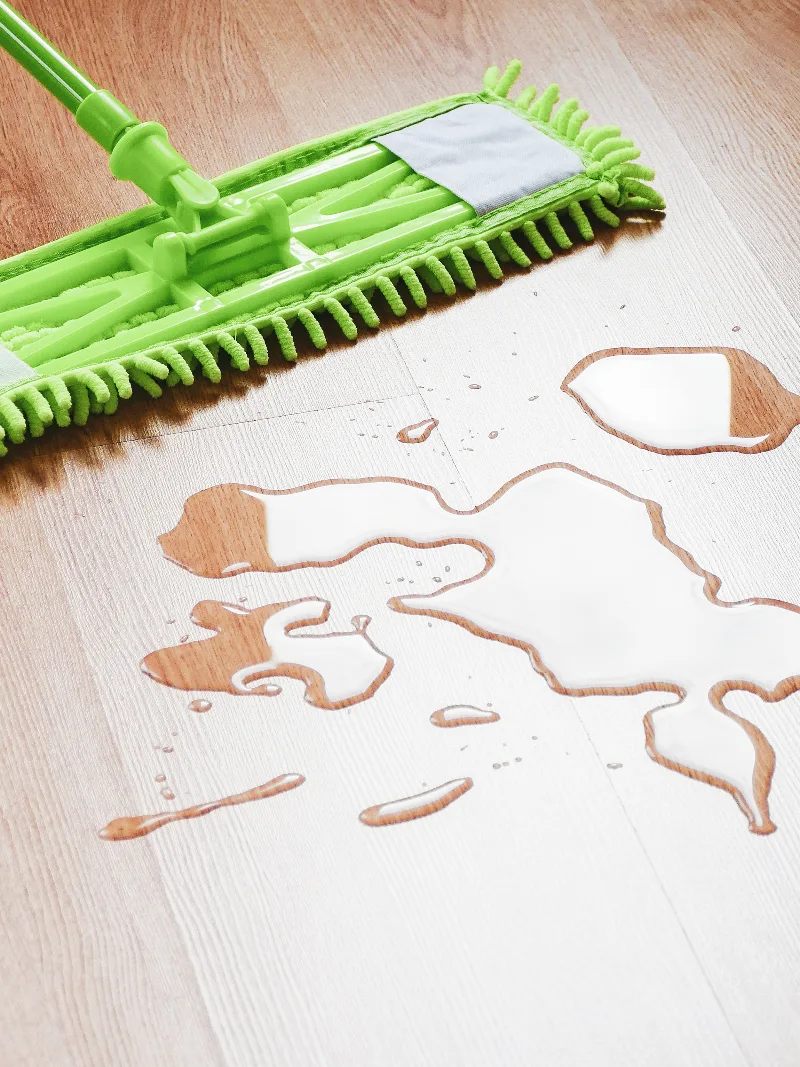
First steps
What To Do If Water Gets Under a Wood Floor
Mistakes to Avoid With Wet Hardwood
Here are the mistakes we see most. People crank up the heat to dry the floor fast. That can crack boards. They put towels down and walk away. They wait for the floor to dry on its own.
Another one is covering the floor with plastic or a rug. That traps moisture against the wood. Do not seal it up.
Also, do not sand or refinish too early. Wood must be fully dry first. Otherwise the finish can fail.
Take photos before anything is moved. Your insurer will want them. See our insurance claim guide for what to keep.
Why it matters
Hardwood Floor Drying: Why Speed Matters
Wood swells as it takes on water. FEMA notes that a flood can push the moisture content of wood up to 30 percent, while most flooring is manufactured at 6 to 9 percent. When the underside of a board is wetter than the top, the edges rise and the board cups. That is hardwood floor cupping from water damage, and the National Wood Flooring Association says it can settle once the moisture is gone, though that may take weeks, months or a whole heating season. If the water stays, boards swell until they lift off the subfloor, which is buckling. The water trapped between the boards and the subfloor is the part you cannot see or mop, and it is what the drying equipment is for.
Mold can start within
24 to 48 hours
Calls answered
24/7
How Hardwood Floor Drying Usually Goes
Usually the crew starts with a look around and a moisture check. They test the boards and the subfloor. It varies, but most jobs follow this order.
First comes removing standing water with an extractor. Next, drying equipment is set up. Some crews use floor drying mats that pull water out of the boards. Air movers and dehumidifiers run for several days.
Moisture meters check the wood each day. If boards cup or buckle, the crew may remove a few so air can reach the subfloor.
The last step is waiting until readings are normal. Then a flooring pro can sand, refinish, or replace boards if needed. Sometimes the plan changes mid job. That is normal. See our process page and structural drying page.
How it works
How Hardwood Floor Water Damage Is Handled
Moisture Readings
The boards and the subfloor are both measured. Flooring guidelines look for the two to be within a few percent of each other.
Extraction
Surface water is removed, then water is drawn up from between and beneath the boards.
Drying
Dehumidifiers and air movers bring the moisture down gradually, over days and sometimes weeks.
Wait and Re-check
Cupped boards are given time to flatten. Nothing is sanded until the readings are back to normal.
Repair or Refinish
Boards that buckled or stayed deformed are replaced, and the floor is refinished if it needs it. The EPA’s benchmark is 15 percent moisture or less before refinishing.
Equipment Used for Hardwood Floor Drying
Equipment varies by company, so ask what will be brought to your home. Here is what a solid hardwood job typically uses.
Extractors remove surface water. Moisture meters show how wet the boards and subfloor are. Air movers and dehumidifiers dry the room. Some crews use floor drying mats or panels that pull moisture through the floor.
Thermal cameras can show hidden wet spots under the finish.
None of this is magic. The tools only help if the crew checks readings each day and adjusts the setup. That daily check is what saves more of your floor.
What Happens If Wet Hardwood Sits
Mold is the big risk. It can start within 24 to 48 hours, according to the EPA. See mold after water damage for details.
Wood that stays wet can cup, buckle, stain, and rot. The finish can turn white or cloudy. The subfloor can swell and weaken.
Floors that look fine can still hide damp spots. A musty smell is a warning sign. Children, older adults, and anyone with asthma should be careful.
Money matters as well. Acting early can save boards that would otherwise be replaced. National guides often show a few hundred to a few thousand dollars for drying. Replacement costs more. Your price depends on the area, the water, and drying time. Our cost guide explains what changes the bill.
What to look for
Signs of Water Damage Under a Hardwood Floor
Solid and engineered floors behave differently. The National Wood Flooring Association describes engineered wood as more dimensionally stable than solid wood, but its layers can come apart once water reaches the core. Wide planks also move more than narrow strips.
How to Judge a Hardwood Floor Water Damage Company
People often ask how to tell a good company from a bad one. Look for steady, honest answers instead of hype.
Ask for proof of insurance. Ask whether the price is an estimate or firm. Ask what moisture readings will be shared with you. Ask who will be on site and when.
Be careful with anyone who wants full payment first. Be careful with anyone who tears out half your home before checking readings. And be careful with anyone who will not put the scope in writing.
A good crew documents the water, the removed materials, and the final readings. That record helps with an insurance claim. Many policies cover sudden leaks, but not slow ones, so check yours.
Hardwood Floors in Boulder: What Local Homeowners Should Know
Boulder homes often have hardwood on main floors. Many also have basements and crawl spaces below. Water from below can reach the floor, even without a visible leak.
Colorado air is dry. Wood flooring here can already move with the seasons. So water on top of that stress can make cupping and gaps worse. A flooring pro can check how the wood is behaving.
Spring snowmelt and summer storms can raise groundwater. A wet crawl space can send moisture up into the boards. See crawl space water removal.
If you plan major rebuilding, check with the City of Boulder Planning and Development Services about permits. If the water came from a pipe, see burst pipe water cleanup.
Why Call for Hardwood Floor Water Damage Here
You get one phone number and a real answer, day or night. You are not filling out forms and waiting for a callback.
The help is local, so travel time stays short across Boulder and nearby towns. The focus is on getting water out quickly, then drying until the readings say it is done.
You also get straight talk. If something can be dried in place, you hear that. If materials have to come out, you hear why. Real benefits are a faster response, a clear plan, and fewer surprises.
Need help right now? Call (720) 615-8346. For after hours calls, see emergency water removal.
Areas We Serve for Hardwood Floor Water Damage
Calls cover Boulder and nearby communities. Pick your area to learn more.
Central Boulder, North Boulder, South Boulder, East Boulder, and Gunbarrel.
Louisville, Lafayette, Superior, Erie, Niwot, and Longmont.
Travel limits depend on the hour and the weather. Closer areas are usually reached first. Ask for a time window when you call.
Hardwood Floor Water Damage FAQ in Boulder
Here are quick answers to the questions callers ask most.
Can water damaged hardwood floors be repaired?
Often yes, if drying starts quickly. Some floors flatten as they dry. Others need sanding or replacing.
How long does hardwood floor drying take?
Drying usually takes several days. Cupping may take weeks to settle. Readings tell you when it is dry.
What causes hardwood floor cupping?
Cupping happens when the bottom of a board is wetter than the top. Leaks, spills, and damp crawl spaces can cause it.
Will cupped hardwood flatten out?
Often it improves as the floor dries over weeks. Some boards stay warped. A flooring pro can judge it.
What is hardwood floor buckling?
Boards lift off the subfloor, often after a lot of water. Buckled floors often need partial removal.
Can engineered hardwood be saved after water damage?
Sometimes. It has layers that can swell or peel. It is often less forgiving than solid wood.
How much does hardwood floor water damage cost to fix?
It depends on the area, the water, and drying time. National guides often show a few hundred to a few thousand dollars. Ask for a written scope.
Does insurance cover hardwood floor water damage?
Many policies cover sudden leaks. Slow leaks are often excluded. Check your policy.
Should I use a fan or heater on wet hardwood?
Gentle airflow helps. Strong heat can crack wood. A pro can set up safe drying.
Who do I call for hardwood floor water damage in Boulder?
Call (720) 615-8346. The line is answered day and night. A flooring pro can handle repairs after drying.
Guides
Related Guides
Sources: National Wood Flooring Association, Problems, Causes and Cures of Hardwood Floors (2011) and Wood Flooring Installation Guidelines (2012). Hardwood Floors Magazine, failures unique to engineered wood flooring. FEMA and American Red Cross, Repairing Your Flooded Home. U.S. EPA, Flood Cleanup to Protect Indoor Air and Your Health and A Brief Guide to Mold, Moisture and Your Home.
Contact us