
Boulder, Colorado
Sump Pump Failure Cleanup in Boulder, CO
Sump pump failure cleanup in Boulder starts with one phone call. Call (720) 615-8346 any hour for water removal from a local pro. A failed pump can flood a basement fast, so here is what to do first.
Calls answered 24/7
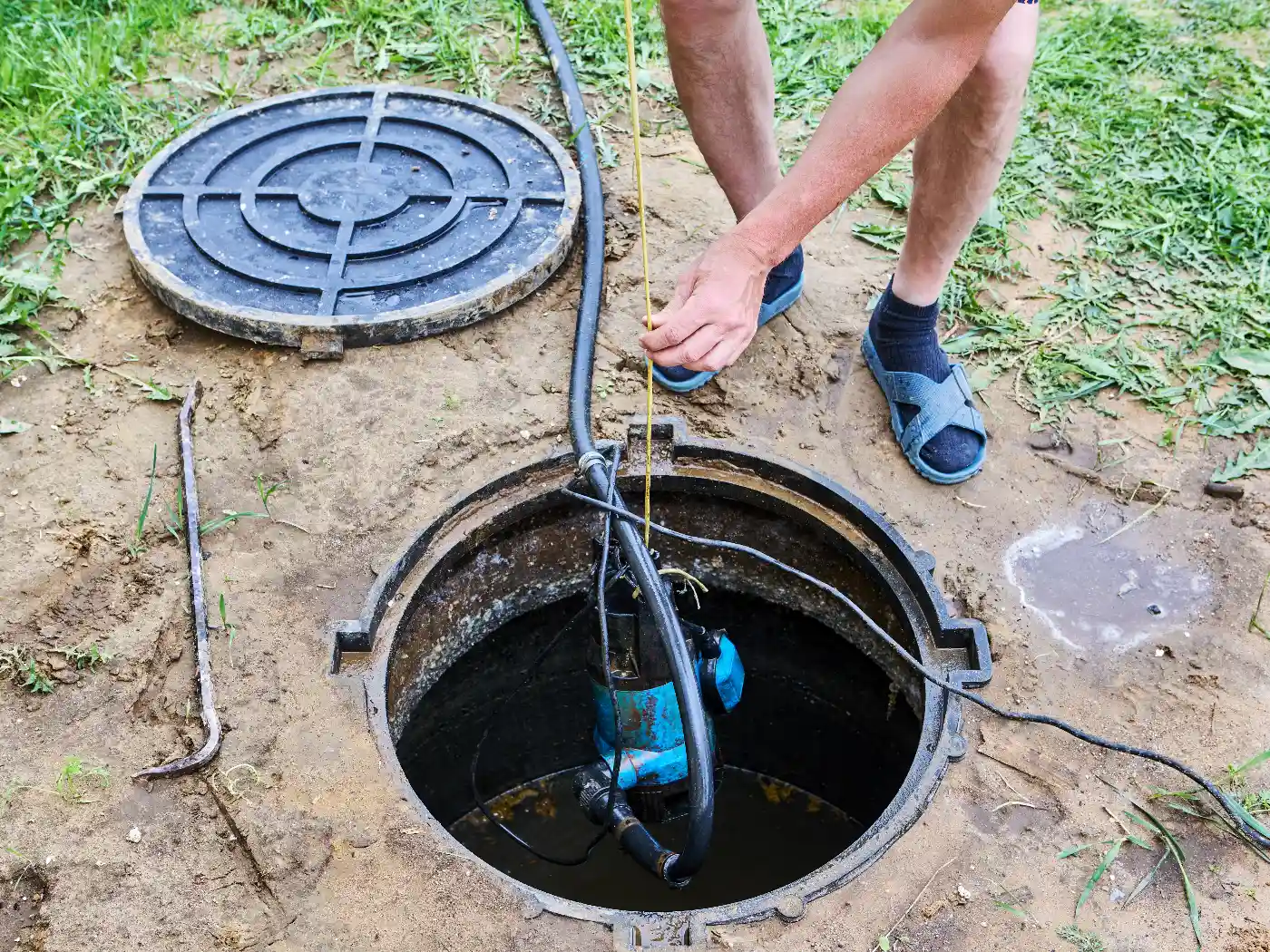
Quick answer: When a sump pump fails, water can rise in the basement within hours. Stay out of standing water near outlets, move what you can and call (720) 615-8346. Pros pump out the water, dry the floor and walls, and check the pit so you know why the pump failed.
Sump Pump Failed and the Basement Is Flooding? Start Here
Look, a sump pump failure always seems to happen at the worst time. A big storm rolls in. The power flickers. You head downstairs and the pit is overflowing.
Here is the thing about sump pump failure water damage in Boulder. The pump only matters when the ground is wet and the water is rising. So when it quits, the basement can flood within hours.
Now, you might be wondering what to do right now. If the power is out and the water is deep, stay out. Call (720) 615-8346. The line is answered day and night, and a local water extraction professional can be sent to your home.
Time matters. The EPA says mold can start growing in about 24 to 48 hours. Also see flooded basement water extraction for the full cleanup picture.
What You Can Count On When You Call
Calls to this number are answered 24 hours a day, 7 days a week. That includes holidays and the day after a big storm.
We cover Boulder and nearby towns, including Gunbarrel, Louisville, Lafayette, Superior, Erie, Niwot, and Longmont. Arrival time varies by the hour, the weather, and how many calls are ahead of yours.
We will not throw around made up review counts or fake years in business. That drives us a little crazy in this industry. If a company claims hundreds of jobs, ask how they know.
Before work starts, ask three plain questions. Who carries the insurance? How is the price set? How will drying be checked? As far as we know, Colorado does not license water restoration as its own trade. So look for insurance and training such as IICRC certification.
A good pro explains the plan in simple words. If you leave a call confused, that is a warning sign.
Sump Pump Failure Cleanup Explained, Neighbor to Neighbor
A sump pump collects groundwater in a pit and pushes it away from the house. When it fails, that water has nowhere to go. It rises through the pit and floor drains, or seeps through the slab.
Sump pump failure cleanup means pumping out the standing water, removing soaked materials, and drying the basement. Then you fix the pump so it does not happen again.
What to do if a sump pump fails
Shut off power to the basement only if you can do it from a dry spot. If the pit is overflowing, do not wade in. Call for help, take photos, and move small items upstairs.
Why did my sump pump fail?
The common causes are power loss, a stuck float switch, a clogged intake, and a worn out pump. A frozen discharge line can also block the water in winter. Or the pump simply could not keep up.
Sump pump failure: who to call?
You often need two calls. A cleanup crew removes water and dries the space. A plumber or sump pump contractor fixes or replaces the pump.
Some jobs are more complicated than they sound. Water from a failed pump during a storm can mix with groundwater and sewer water. We cannot fix everything overnight, and honest crews say so.
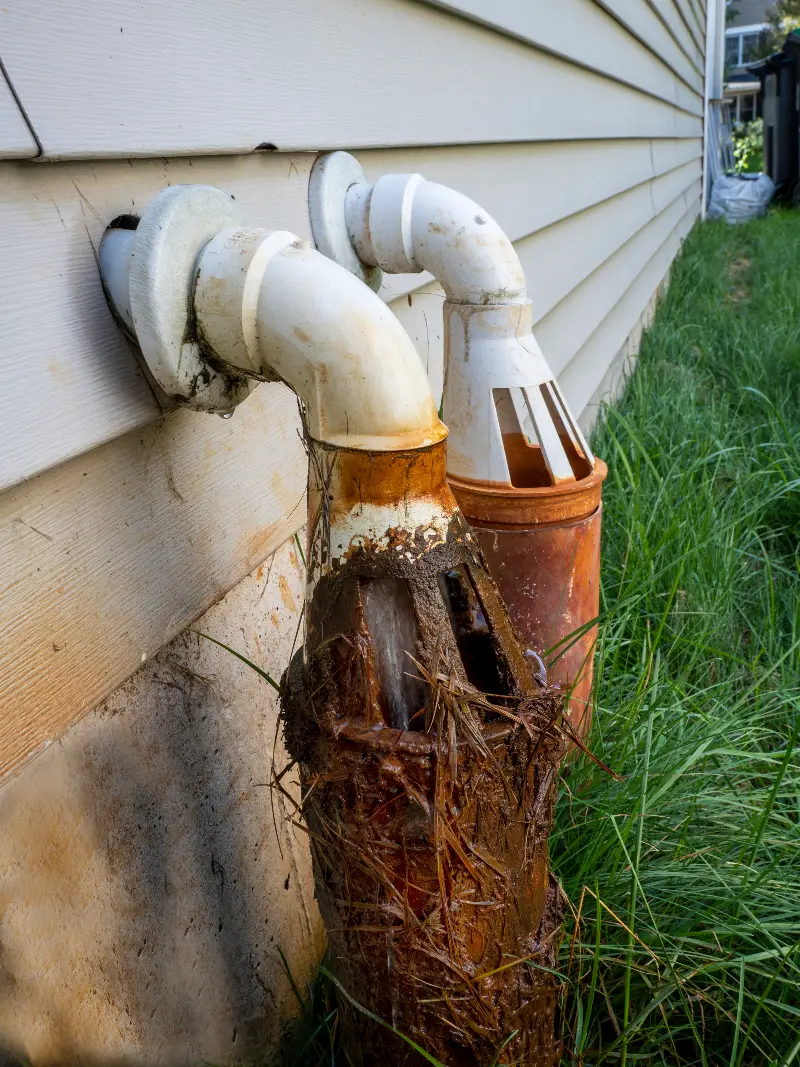
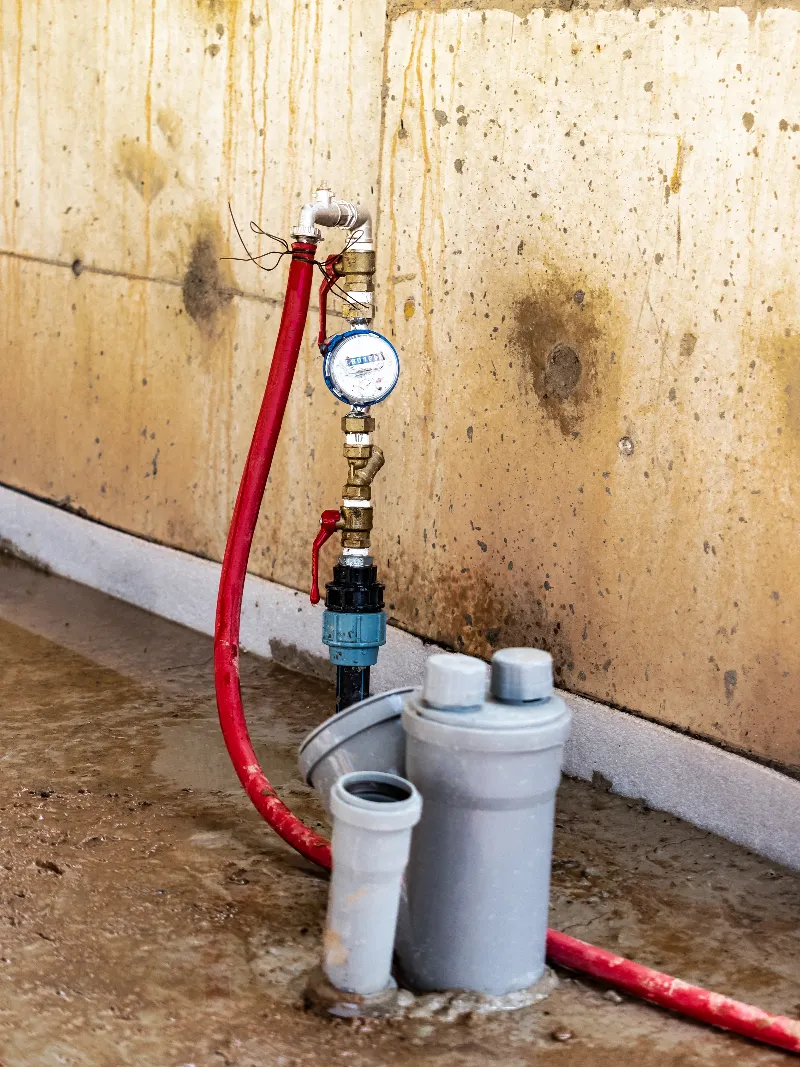
First steps
What To Do When a Sump Pump Fails
Mistakes to Avoid After a Sump Pump Failure
Here are the mistakes we see most. People restart the pump and walk away. They do not check why it failed, so it fails again. They wait for the storm to end before calling, while water keeps soaking in.
Another one is stepping into deep water near outlets or the panel. Water and electricity do not mix. If water touches power, stay out and call an electrician or Xcel Energy.
Also, do not run a household vacuum on wet carpet. And do not turn off the pump to save power during a storm, unless a pro tells you to.
Take photos before anything is moved. Your insurer will want them. Many policies exclude groundwater seepage, so read our insurance claim guide.
Why it matters
Sump Pump Failure and a Flooded Basement
Boulder sits at the base of the foothills, and the City notes that many parts of town are prone to high groundwater. In those homes a sump pump is often the only thing keeping that water under the slab. When the pump stops, water rises through the pit and spreads under carpet, baseboards and the bottom of the walls. Restoration guidelines class sump water as gray water: not sewage, but not clean either. The EPA advises drying wet materials within 24 to 48 hours to prevent mold, which is why sump pump failure water damage should not be left for the weekend. For deeper water, see flooded basement water extraction.
Mold can start within
24 to 48 hours
Calls answered
24/7
How a Sump Pump Failure Cleanup Usually Goes
Usually the crew starts with safety and a look around. They check the power, the water depth, and the pit. It varies, but most jobs follow this order.
First comes pumping out deep water. Next, extraction machines pull water from carpet, pad, and the slab surface. Then materials that cannot be saved are removed.
After that, air movers and dehumidifiers dry the space for several days. Moisture meters check walls and floors. Concrete and framing dry slowly.
The last step is a talk about the pump. A battery backup or a second pump may make sense. Sometimes the plan changes mid job. That is normal. See our process page and structural drying page.
How it works
How Sump Pump Failure Cleanup Works
Safety and Source
The contractor checks that the power is safe and finds out why the pump stopped: no power, a stuck float, a worn-out motor or a frozen discharge line.
Water Removal
Standing water is pumped out, and the last of it is pulled from the slab, carpet and pad with extraction equipment.
Wet Materials
Carpet pad, baseboards and the bottom of the drywall are checked with a moisture meter. What cannot be dried in place is removed.
Drying
Air movers and dehumidifiers run for several days, and moisture readings are taken until the walls and floor are back to normal.
Pump Repair or Replacement
A plumber repairs or replaces the pump. That is a separate job from the cleanup, and worth doing before the next storm.
Equipment Used After a Sump Pump Failure
Equipment varies by company, so ask what will be brought to your home. Here is what a solid job typically uses.
Submersible pumps clear deep water. Extractors pull water from carpet and the slab. Moisture meters and thermal cameras find hidden wet spots. Air movers and dehumidifiers dry the space.
Some crews add HEPA air scrubbers if mold or dust is a concern.
None of this is magic. The tools only help if the crew checks readings each day and adjusts the setup. That daily check is what keeps the basement from smelling musty a month later.
What Happens If a Flooded Basement Sits
Mold is the big risk. It can start within 24 to 48 hours, according to the EPA. See mold after water damage for details.
Wet drywall wicks water upward. Wood framing can swell and rot. Carpet pad holds water and smells. Stored items can be ruined.
Water that comes through a sump pit can also carry dirt and bacteria. Children, older adults, and anyone with asthma should avoid the area.
Money matters as well. Acting early usually keeps repairs smaller. National guides often show a few thousand dollars for a flooded basement. Your price depends on the area, the water, and drying time. Our cost guide explains what changes the bill.
What to look for
Why Sump Pumps Fail
To test a pump, pour water slowly into the pit until the float switches it on, and watch it empty. Extension engineers at North Dakota State University suggest making sure it turns on and off at least twice. Do it before the wet season, not during it.
How to Judge a Sump Pump Failure Cleanup Company
People often ask how to tell a good company from a bad one. Look for steady, honest answers instead of hype.
Ask for proof of insurance. Ask whether the price is an estimate or firm. Ask what moisture readings will be shared with you. Ask who will be on site and when.
Be careful with anyone who wants full payment first. Be careful with anyone who tears out half your home before checking readings. And be careful with anyone who will not put the scope in writing.
A good crew documents the water, the removed materials, and the final readings. That record helps with an insurance claim. Many policies exclude groundwater seepage unless you added coverage, so check yours.
Sump Pumps in Boulder: What Local Homeowners Should Know
Boulder sits where the foothills meet the plains. Snowmelt, summer storms, and creeks such as Boulder Creek can raise groundwater around homes. After the September 2013 flood, many Boulder County homes saw basement water problems.
Power outages often come with storms. If your pump has no battery backup, it stops when the power does. Xcel Energy serves Boulder, and outages can last hours.
Cold weather matters too. A discharge line that freezes can block the pump. Keep the line clear and sloped away from the house.
A few local tips help. Test your pump each spring by pouring water into the pit. Check that gutters and downspouts send water well away from the house. Many pumps last around 7 to 10 years, so ask a plumber about age.
If you plan major rebuilding, check with the City of Boulder Planning and Development Services about permits. If water is under the house, see crawl space water removal.
Why Call for Sump Pump Failure Cleanup Here
You get one phone number and a real answer, day or night. You are not filling out forms and waiting for a callback.
The help is local, so travel time stays short across Boulder and nearby towns. The focus is on getting water out quickly, then drying until the readings say it is done.
You also get straight talk. If something can be dried in place, you hear that. If materials have to come out, you hear why. Real benefits are a faster response, a clear plan, and fewer surprises.
Need help right now? Call (720) 615-8346. For after hours calls, see emergency water removal.
Areas We Serve for Sump Pump Failure Cleanup
Calls cover Boulder and nearby communities. Pick your area to learn more.
Central Boulder, North Boulder, South Boulder, East Boulder, and Gunbarrel.
Louisville, Lafayette, Superior, Erie, Niwot, and Longmont.
Travel limits depend on the hour and the weather. Closer areas are usually reached first. Ask for a time window when you call.
Sump Pump Failure Cleanup FAQ in Boulder
Here are quick answers to the questions callers ask most.
What should I do if my sump pump fails?
Stay out of deep water. Shut off power only if you can do it safely. Take photos and call (720) 615-8346.
Who do I call when a sump pump fails?
Call (720) 615-8346 for water removal and drying. A plumber or sump pump contractor can fix or replace the pump.
Why did my sump pump fail?
Common causes are power loss, a stuck float, a clog, a frozen discharge line, or an old pump. A heavy storm can also overwhelm it.
Will my basement flood if the sump pump fails?
It can. It depends on how high the groundwater is. In a heavy storm, water can rise within hours.
Does homeowners insurance cover sump pump failure?
Often only if you added water backup coverage. Many policies exclude groundwater seepage. Read your policy and call your insurer.
How long does sump pump failure cleanup take?
Pumping can take hours. Drying usually takes several days. It depends on how wet the basement is.
How much does sump pump failure cleanup cost?
It depends on the area, the water, and drying time. National guides often show a few thousand dollars. Ask for a written scope.
Can I stay in the house after sump pump failure?
If the water is clean and the power is safe, often yes. Stay out of wet rooms. If sewage is involved, ask about staying elsewhere.
Is a battery backup sump pump worth it?
Many homeowners think so, especially where outages happen. It runs when the power is out. A plumber can advise on size.
How often should I test my sump pump?
Many experts suggest testing it a few times a year, and before spring. Pour water in the pit and watch it run.
Guides
Related Guides
Sources: City of Boulder, groundwater in the City of Boulder. NDSU Extension, sump pump checks. InterNACHI, estimated life expectancy chart. Colorado Division of Insurance, toolkit for homeowners and HOAs. University of Michigan EHS, flood damage remediation guideline. U.S. EPA, A Brief Guide to Mold, Moisture and Your Home.
Contact us